Pet Carrier Factory runs pet carrier and pet travel bag programmes for brand owners, retail chains and own-brand sellers. Production runs on 7 lines inside a 4,950 m² SGS-verified facility with 200,000 units of monthly capacity. Minimum order is 500 pieces per colourway; samples take 6-10 working days and bulk production takes 35-50 days under AQL 2.5 inspection, shipped FOB Xiamen on T/T 30/70 terms.
Dog Carrier Backpack
Dog backpack carriers built for weight distribution, ventilation panels and airline-compliant dimensions.
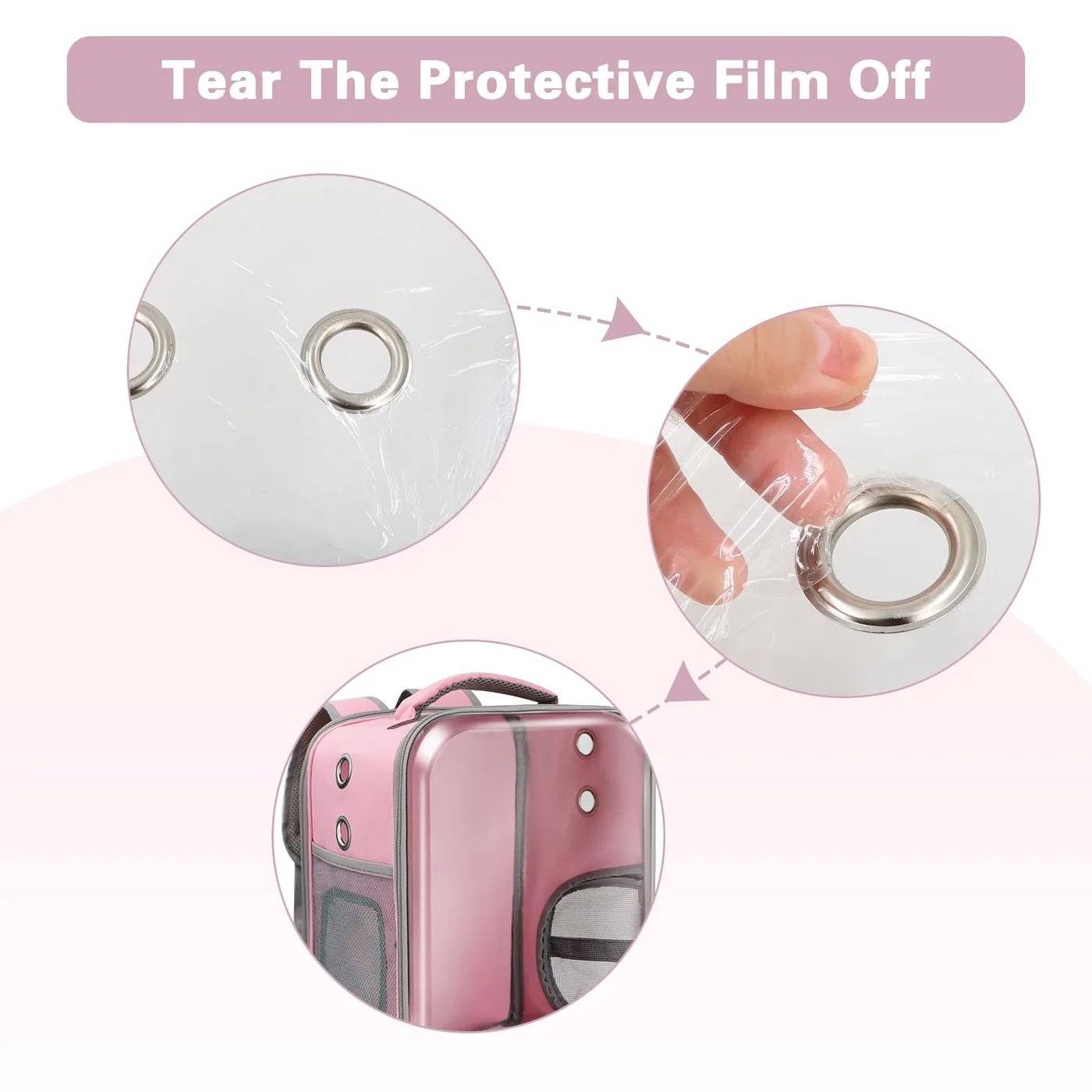
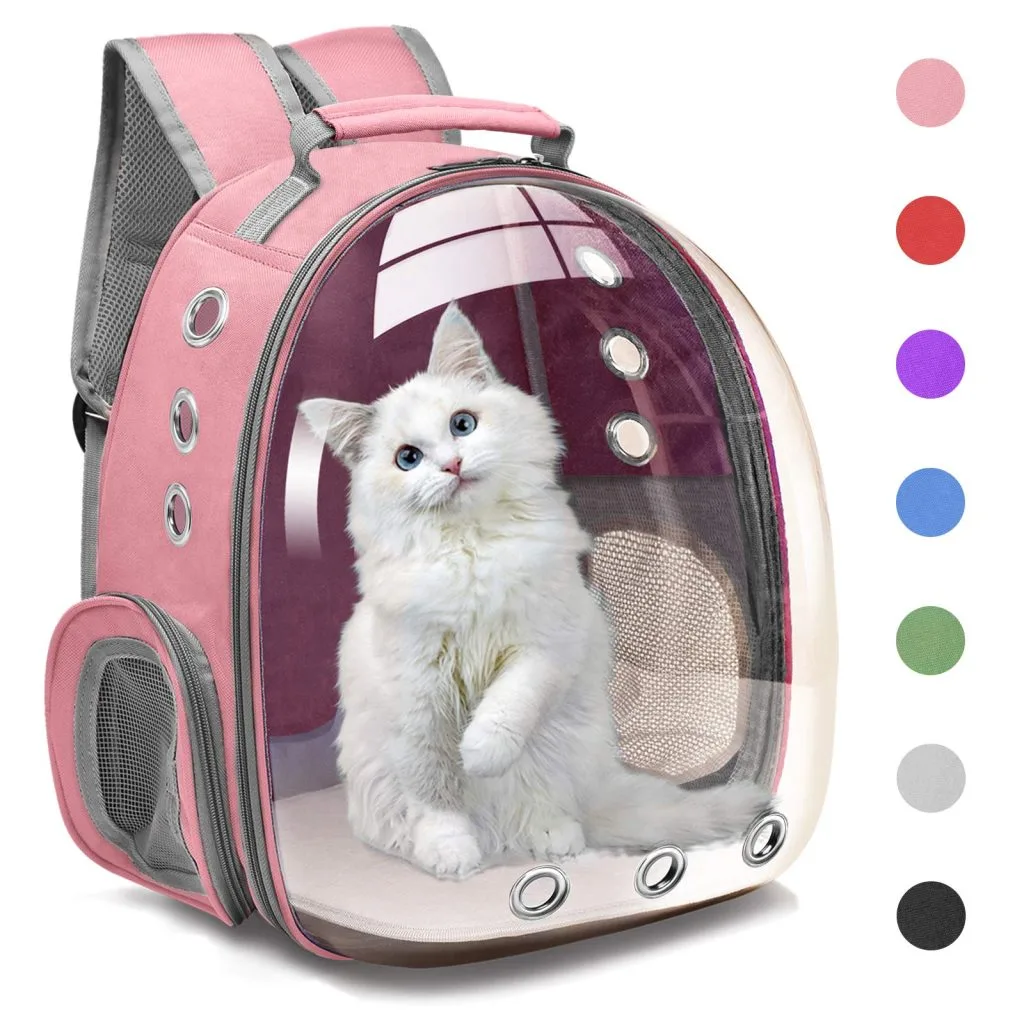
Cat Carrier & Travel Bag
Cat carriers engineered around escape resistance, hard-shell options and low-stress ventilation.
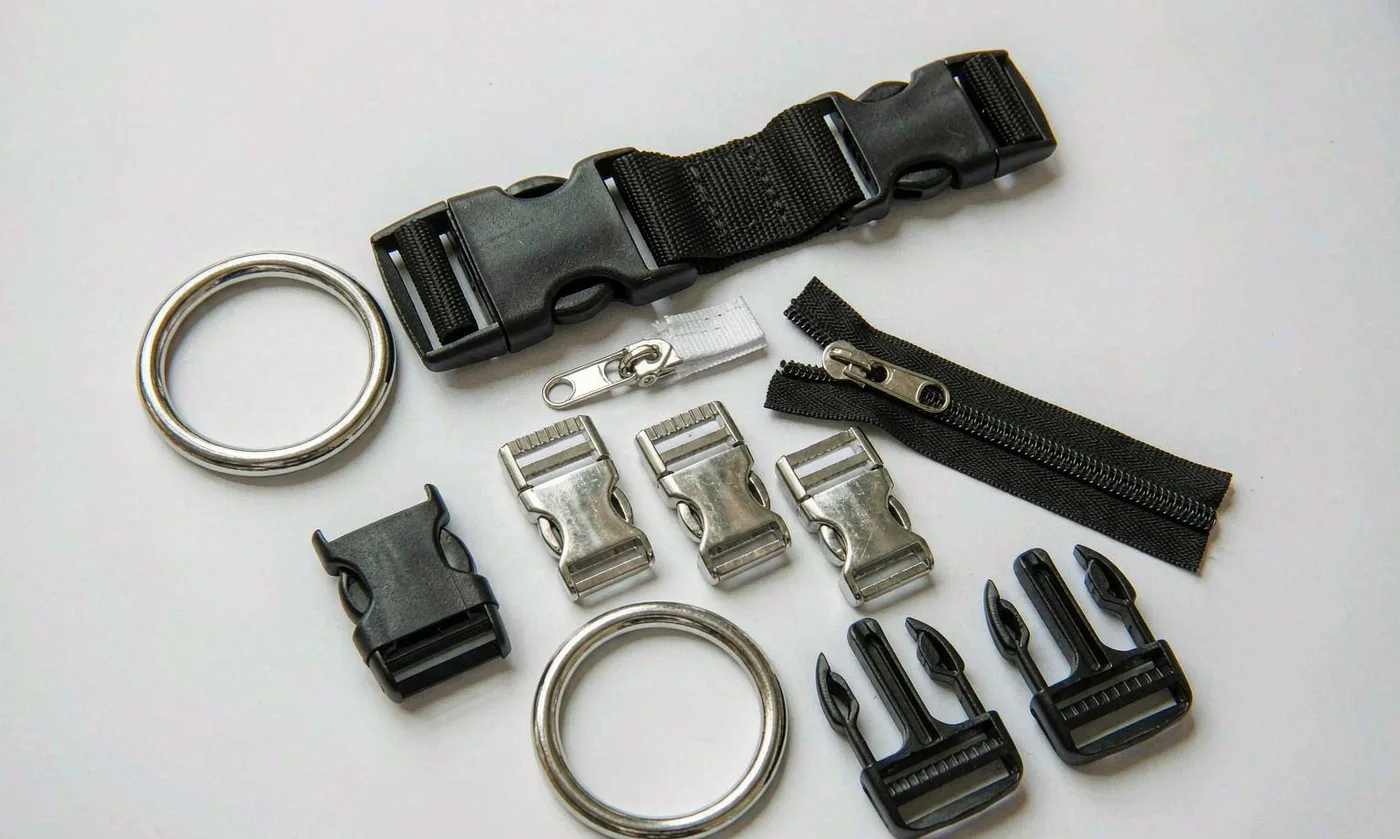
Pet Carrier Accessories
Matching accessories and spare parts produced alongside the carrier programme on one line.
Programme and sourcing pages
Pet Carrier Manufacturer
How to vet a pet carrier manufacturer: audit documents, quotation structure and red flags.
Dog Carrier Factory
Production capability checklist: fabric, hardware, load testing and defect root causes.
OEM and ODM Programmes
Full development process from tech pack to mass production, tooling and own-brand terms.
Working terms
| Commitment | Detail | Standard |
|---|---|---|
| Colourway minimum | 500 units per verified colour; size splits inside one style count toward it | Yes |
| Colour matching | Lab dips on the actual substrate, not a paper swatch | Yes |
| Tooling | Owned by the buyer once paid for; never used for another client | Yes |
| Inspection access | Buyer or their nominated agency may attend the pre-shipment check | Yes |
| Documentation | Test reports tied to the exact dye lot and hardware batch shipped | Yes |
What we produce
The catalogue splits into three families. Dog backpack carriers focus on load transfer and airflow: padded shoulder straps at 38-50 mm, mesh panel coverage above 30% of the visible surface and base boards sized to the weight class of the target breed. Cat carriers prioritise escape behaviour: reverse-coil zippers with locking sliders, internal tether rings and either injection-moulded shells or semi-structured soft shells. Accessories cover replacement webbing straps, mesh panels, wheel sets, rain covers and the small companion items sold alongside a carrier - harnesses, collars, leashes, bowls, grooming tools and hygiene consumables.
Each family draws on the same material library, so a own-brand buyer can lock one fabric standard across an assortment and keep colour matching consistent between a carrier and its matching accessories.
Materials and testing
Fabric options run from 300D and 600D polyester with PU backing to 900D Oxford, ripstop nylon, TPU-laminated shells and EVA moulded bodies. Hardware is specified by model - YKK or SBS reverse-coil zippers, Duraflex or equivalent acetal buckles - and every hardware batch receives cycle testing before cutting. Colour fastness is checked to ISO 105 rub standards, restricted substances against REACH Annex XVII and California Proposition 65 requirements, and US-bound children's product classifications against CPSIA limits.
Order flow
- Enquiry and brief. Send quantities, target price and reference images.
- Tech pack and costing. We return a BOM-based quote within the agreed window.
- Sampling. 6-10 working days for a first prototype.
- Revisions. Fit, structure, branding placement and labelling adjusted.
- Bulk production. 35-50 days after sample approval.
- Inspection and shipment. AQL 2.5 pre-shipment check, then loading FOB Xiamen or DDP.
Latest guides
- Pet Carrier Wipes: Cleaning
- Pet Carrier Training Pads: Housebreaking
- Pet Carrier Pee Pads: Disposable
- Pet Carrier Poop Bags: Refill Rolls
- Pet Carrier Poop Bag Dispenser: Waste
- Pet Carrier Treat Jar: Snack Storage
- Pet Carrier Food Storage: Airtight Container
- Pet Carrier Placemat: Food Area
- Pet Carrier Travel Mat: Place Setting
- Pet Carrier Cooling Bowl: Summer Use
- Pet Carrier Heated Bowl: Winter Use
- Pet Carrier Insulated Bowl: Temperature
What moves the unit price most
Five line items account for most of the movement in a pet carrier quote, and they are worth understanding before a negotiation starts. Fabric is usually first: moving from 300D to 900D Oxford, or adding TPU lamination, shifts cost more than any other single choice. Hardware is second - a YKK reverse-coil zipper costs several times an unnamed equivalent and is the single most common cause of field returns when cut. Third is the base construction: moulded PP rail assemblies cost real money, while die-cut EVA does not. Fourth is branding method, because embroidery and silicone badges carry per-unit set-up that only amortises over volume. Fifth is packaging - retail box instead of bulk polybag changes both unit cost and carton count, and therefore freight.
| Cost driver | Impact | Note |
|---|---|---|
| Fabric and coating | High | 300D PU to 900D TPU laminate is roughly a 40-70% swing on the fabric line |
| Zippers and buckles | High | Branded versus unbranded hardware is the largest quality variable |
| Base construction | Medium | Die-cut EVA versus moulded PP rail assembly |
| Branding method | Medium | Embroidery and moulded badges need set-up amortised over quantity |
| Packaging | Medium | Retail box raises unit cost and carton count simultaneously |
| Print coverage | Low | Screen print cost is driven by colour count and placement difficulty |
| Label set | Low | Compliance labelling is a fixed cost per unit at this scale |
Typical order patterns by channel
A own-brand brand launching three colourways usually starts at 1,500 pieces split across them, which is enough to clear the 500-per-colourway threshold without over-committing inventory. Pet specialty chains tend to order two sizes of one style at 2,000-5,000 pieces and repeat seasonally. Marketplace sellers often begin with the minimum and reorder faster, which is why we keep 500-piece programmes on standard materials available for faster restocking.
Programme shapes we support
Four buyer profiles account for most enquiries, and each one needs a different kind of help. Brand owners arrive with artwork and a price point but often without a tech pack, so most of the early work is specification. Retail chains arrive with a compliance manual and a delivery window, so the work is documentation and scheduling. Marketplace sellers need small quantities quickly, which favours existing patterns and stock materials. Clinical and grooming buyers prioritise cleanability above all else, which pushes toward coated shells, removable liners and wipe-down hardware.
| Buyer profile | Arrives with | What we solve first | Typical first order |
|---|---|---|---|
| Brand owner | Artwork and price point | Specification development and sampling | 1,500-5,000 pcs |
| Retail chain | Compliance manual and window | Documentation, testing, scheduling | 2,000-10,000 pcs |
| Marketplace seller | Speed and cash flow | Stock patterns, small runs, fast restock | 500-2,000 pcs |
| Clinical or grooming | Cleanability | Coated shells, removable liners, hardware choice | 500-3,000 pcs |
Wider range
Pet carriers are one part of a broader sewn-goods programme. Outdoor dry bags, travel packs and waterproof soft goods run through the same sourcing team, documented on our umbrella site junyuanbags.com.
OEM Versus ODM: Picking a Development Route
Every pet carrier programme begins with one decision: whether the structure already exists or has to be built. Under the OEM route the buyer selects an existing tooled structure from the current range and applies brand identity, colourway, hardware finish and packaging to it. Under the ODM route the structure itself is co-developed, which means new tooling, new patterns and a longer approval path. Both routes run at the same commercial floor of 500 pieces per colourway, so the decision is rarely about volume.
The first practical difference is sampling. An OEM selection usually reaches a first sample in 6-10 working days, because patterns, dies and material sources are already in place, and one or two revision rounds of 3-5 working days each are normally enough to close colour, stitch and logo placement. An ODM structure cannot start the same clock. Tooling has to be cut and trialled first, and the first sample then enters two to four revision rounds of 3-5 working days each while fit, ventilation geometry and load paths are settled. That extra loop is where most launch dates slip.
The second difference is ownership. With OEM there is no new tooling, so nothing has to be negotiated beyond artwork and packaging. With ODM the tooling is paid for by the buyer and should be recorded as the property of the buyer, physically marked, stored at the partner facility and covered by a dedicated-use clause preventing it from running for another brand without written consent. Bulk production then runs 35-50 days after approval under either route, with release against AQL 2.5 under ISO 2859-1, T/T 30/70 payment and FOB Xiamen as the default incoterm.
| Route | What is new | Sampling path | Tooling | Path to first bulk |
|---|---|---|---|---|
| OEM | Colourway, hardware finish, branding and packaging on an existing structure | First sample in 6-10 working days, typically 1-2 revision rounds | No new tooling; existing mould used | 35-50 days after approval |
| ODM | Structure, shell geometry, ventilation layout and load path | Tooling trial, then first sample; 2-4 revision rounds of 3-5 working days each | New tooling paid by the buyer, owned by the buyer and dedicated-use | Tooling build, then 35-50 days after approval |
A useful test: if the competitive advantage sits in the silhouette, the shell or the ventilation geometry, pay for tooling and protect it. If it sits in the fabric story, the colour range or the retail presentation, take the OEM route and put the money into testing instead, referencing ISO 105 for colour fastness, AATCC 8 for crocking and AATCC 61 for laundering, plus CPSIA and REACH in the destination market. Cabin claims are checked against the IATA Live Animals Regulations before artwork is approved.
Tooling and Mould Investment: What Is Worth Cutting
Tooling is the single largest development cost in a pet carrier programme and the one most often approved without a plan. The rule our production team applies is simple: cut steel only where the geometry carries a function that cutting and sewing cannot deliver. Moulded EVA or PP shells, structural base trays, ventilated frame panels and dedicated hardware are worth tooling. Panels that only need a shaped outline are not, because a die-cut pattern delivers the same silhouette at a fraction of the cost and can be revised without touching steel.
Costs vary with cavity count, steel grade and surface finish. As a planning range, expect roughly USD 3,000-12,000 for an injection or compression mould for a structural panel, USD 1,500-6,000 for a moulded EVA shell, USD 800-5,000 for dedicated hardware and USD 200-900 for die-cut tooling and patterns. Treat every figure in this paragraph as a planning range rather than a quotation; the confirmed number follows the released 3D file and the agreed cavity count. Amortisation is the part buyers under-model. Against the 500 pieces per colourway floor, tooling at the middle of the range adds a visible amount to the first unit, and it only falls to a negligible level if the structure survives three seasons or carries a second colourway.
| Structure | Tooling type | Planning range | Amortisation view |
|---|---|---|---|
| Moulded structural panel | Injection or compression mould | USD 3,000-12,000 | Spread over three seasons or two colourways to reach a negligible unit cost |
| Moulded EVA shell | Compression mould | USD 1,500-6,000 | Recovered across two to three seasons |
| Dedicated hardware | Injection or casting tooling | USD 800-5,000 | Specify the test method in ASTM terms before tool release |
| Die-cut panels and patterns | Die-cut tooling | USD 200-900 | Usually absorbed in the first order |
Ownership should be settled before the steel is cut. Standard practice is that tooling paid for by the buyer remains the property of the buyer, is stamped with a tool number, is logged in the register maintained under ISO 9001 document control and is reserved for the programme of the buyer under a dedicated-use clause. Maintenance and eventual replacement are normally carried by the partner facility while the tool is in service, with service life in the range of 50,000-100,000 cycles as a planning range. One caution on shared tooling: using an existing mould removes the tooling cost entirely and keeps the first sample inside 6-10 working days, but it also means the silhouette is not exclusive. Exclusivity has to be bought through a new tool or through a written exclusive-supply term, and it has to be paid for somewhere in the unit price.
Capacity Planning and Peak-Season Slot Booking
Pet carrier demand is seasonal, and the season is set by the retail calendar rather than by the factory. Our SGS-verified production base runs 4,950 m2 of floor space with 137 people, 7 assembly lines, 149 machines and a nominal output of 200,000 units per month. That monthly figure is a planning capacity rather than a promise: any single month is shaped by how many programmes are already booked into it and by where the New Year shutdown falls. Buyers who treat capacity as an infinite pool discover the constraint later in the year, when the slot they assumed was open has been filled since spring. The practical response is to book against a forecast rather than against a purchase order.
Booking a slot is a commercial act, not a formality. A reservation is normally held against a signed forecast plus the 30 per cent deposit that starts the T/T 30/70 structure, and it fixes a production window rather than a specific day. Because bulk production runs 35-50 days after sample approval, the launch date has to be back-planned: approval, then 35-50 days of production, then AQL 2.5 pre-shipment inspection under ISO 2859-1, then FOB Xiamen handover and the transit time the buyer controls. A launch date quoted without that back-plan is a guess, and it is the guess that generates most of the urgent emails in a season.
| Window | What to book | Working days to plan | Note |
|---|---|---|---|
| Sampling | First sample slot | 6-10 | Starts when the tech pack is complete |
| Revisions | Each revision round | 3-5 per round | Budget two rounds into the launch plan |
| Bulk production | Production slot on one of 7 assembly lines | 35-50 | Begins after confirmation sample approval |
| Release | Pre-shipment inspection and handover | Allow separately | AQL 2.5 under ISO 2859-1, then FOB Xiamen handover |
Insert orders are possible but they are not free. Orders arriving after the monthly plan is frozen are scheduled into the next available window unless they displace a lower-priority booking, and displacement normally requires the inserted quantity to meet the 500 pieces per colourway floor on its own. Material lead time is the second constraint: a fabric or hardware change inside a frozen window can push the whole programme, because the replacement has to be re-tested against ISO 105, AATCC 8 and AATCC 61 before it enters bulk. The practical way to protect a fixed date is to freeze the bill of materials early, approve the confirmation sample once rather than three times, and book the slot before artwork sign-off rather than after it.
Ready to start a pet carrier programme? MOQ 500 pieces per colourway, samples in 6-10 working days, bulk production in 35-50 days under AQL 2.5 inspection.
Request a quote Ask for samples