Pet Carrier Omega 3: Coat Health
An oil-carrying unit changes the whole packing brief. The specification that matters is containment rather than barrier alone: secondary containment rated above fill volume, absorbent capacity sized to 1.5 times that volume, an oxygen transmission rate below 1 cubic centimetre per square metre per day, and leak-tested closures at 0.2 bar for 30 seconds, quoted at MOQ 500.
Liquid oil behaves unlike every other unit in an accessory catalogue. It wicks, it migrates through closure threads, it leaves a permanent stain on a textile panel, and it reacts with oxygen over a warm lane. Those four behaviours, rather than any question of what the oil is, define the engineering brief our production team works to, and they are why this line is quoted with a containment plan attached rather than with a packing note. This page sets out the ownership boundary first, then leak risk modelling, oxygen management, format comparisons, what happens when oil meets carrier fabric, claim boundaries for coat-topic wording, carton and absorbent specification, lane temperature behaviour, and finally the inspection and recall arrangements that go with a product that can soil everything near it. Nothing here addresses what any oil does for an animal; that file belongs to whoever markets it. Terms are those of the whole accessory range: MOQ 500 pieces per colourway or print design, prototypes in 6-10 working days, bulk production 35-50 days after sample approval, final random inspection to AQL 2.5, T/T 30/70, FOB Xiamen.
Any dog carrier factory quoting pet carrier accessory work should be able to show a current BSCI audit and an ISO 9001 certificate before a deposit is released.
How an Oil-Filled Unit Changes the Whole Brief
Four physical behaviours separate an oil-filled unit from a dry article, and every one of them has a measurable consequence in a mixed container.
Capillary migration comes first. A closure that holds fine against granulated contents will seep oil through its thread because surface tension and viscosity are completely different; at typical ambient viscosity the liquid creeps along the contact line and appears as a ring on the outer pack days after sealing. This is why thread design, liner material and torque window all matter more here than in any dry programme.
Second is permanent staining. Oil entering a woven polyester or nylon panel does not wash out of the fibre in normal laundering; it sits in the interstices and migrates outward as a spreading mark. A single leaking unit can therefore write off a carrier that cost twenty times more than it did, which is the arithmetic that justifies generous containment spending.
Third is odour persistence. Oxidation produces volatile compounds that remain detectable in fabric long after the oil itself is gone. A container arriving with a faintly rancid smell is returned wholesale by most retail receivers, regardless of what testing says about contents.
Fourth is heat behaviour. Ocean lanes through tropical ports expose a container to temperatures that lower viscosity and raise internal pressure, exactly when the pack is least able to resist migration. Designing for the worst reasonable lane rather than for annual average conditions is the difference between a quiet season and a claim file.
All four are engineering problems with engineering answers, which is why our involvement here is substantive even though nothing about the oil itself belongs in our file. The importer retains every question of composition, intended purpose and admissibility in the destination market.
The cost arithmetic follows directly from those behaviours and it surprises buyers who have only shipped dry goods. A leaking unit costs perhaps a few currency units to replace; the textile item it ruins costs many times that, and the freight and handling around a returned box costs more than both together. Containment spending that looks generous on a quotation line is therefore almost always far cheaper than the cheapest plausible incident, which is the argument we make once and then leave for the buyer to decide.
The Ownership Boundary for an Oil-Filled Programme
Clarity about what we do and what we decline protects both sides, and in this category the list of declines is genuinely long.
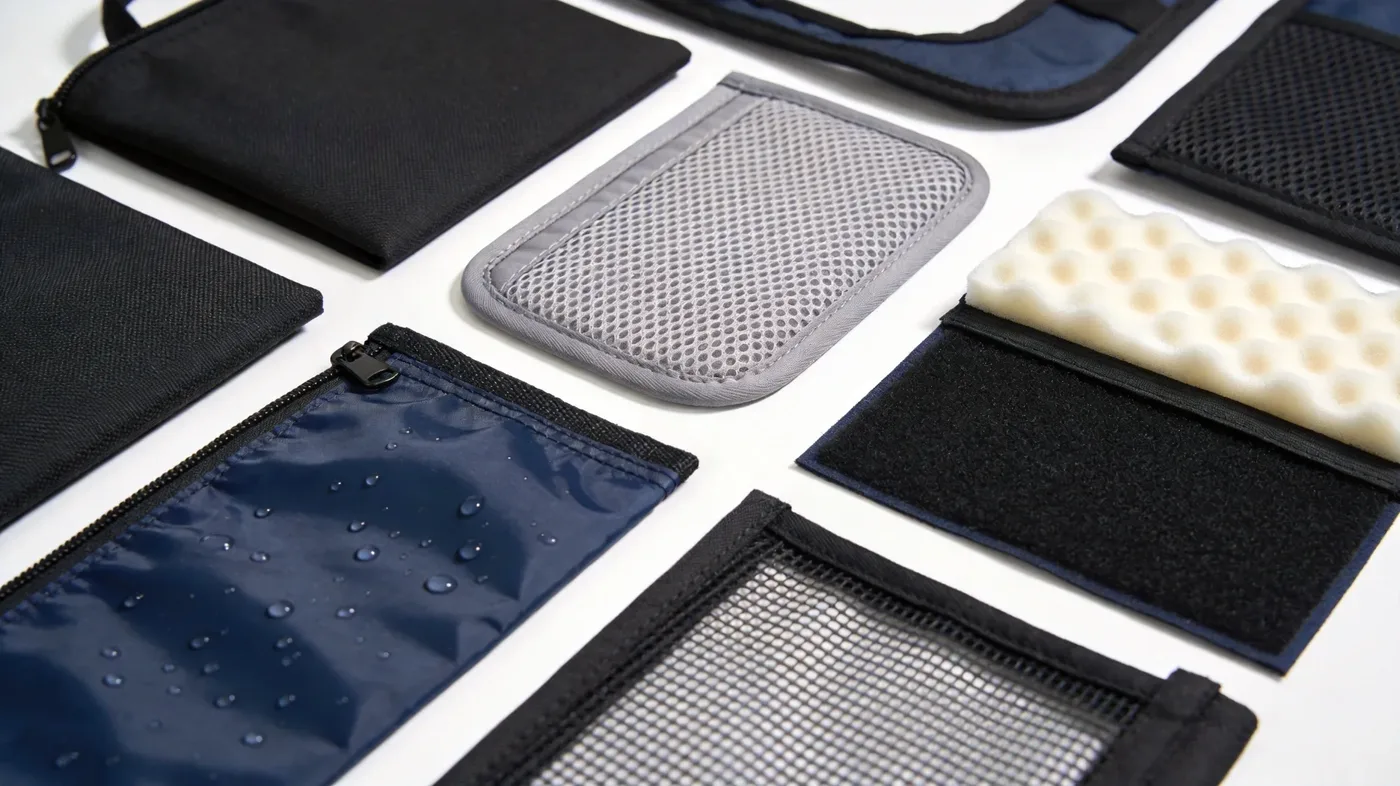
Ours covers the secondary and tertiary levels: the travel pouch that holds the unit inside a kit, the closure of that pouch, the absorbent pad, the inner containment bag, the master carton and its void restraint, plus printed matter describing physical attributes only. All of it is quoted against measured performance.
Not ours, and never quoted by us, includes the composition of the oil, any figure expressing content or concentration, any statement about intended purpose, any daily amount guidance, storage temperature limits, and any opinion on how long contents remain stable. Those entries belong to whoever formulates and markets the product, supported by their data and by their counsel.
The single most useful artefact is a written boundary note attached to the quotation. One column names the item, the second names the owner, the third states whether it is measured by us or declared by the buyer. Programmes with that note never argue about authorship during an incident; programmes without it spend the first three days of an incident doing so.
Buyers sometimes ask whether we can recommend packaging based on declared composition. We can quote barrier performance against measured targets, provided the buyer provides those targets as numbers with units. What we will not do is infer them, because an inferred target becomes an assumed responsibility the moment something fails.
Two reading references help frame internal decisions, without replacing destination advice: how the profession frames animal health topics is published by the American Veterinary Medical Association, and chemical restrictions on the materials we use are administered from the European Chemicals Agency.
One more boundary deserves naming because it catches programmes out late. Photography and video renders compared with the physical unit are the first things a marketplace reviewer reads, so the visual file belongs to whoever owns the claims. Our involvement stops at photography of the components we build, shot against a neutral background with no implied presentation.
Leak Risk Modelling and Secondary Containment Sizing
Leak planning should start from a number, because an unquantified fear tends to produce either absurdly expensive packaging or none at all.
The inputs are simple. First, the fill volume per unit, which the buyer declares. Second, the number of units sharing any single containment boundary, since leakage risk compounds with count rather than adding. Third, the acceptable consequence, expressed as which other components in the shipment may or may not be touched. Define those three and the containment specification follows arithmetically.
Sizing rule then applies: absorbent capacity at 1.5 times the total fill within any single containment boundary, and containment bag volume above 1.2 times the total unit volume so that released liquid has somewhere to go beyond the pad. Both figures are deliberately generous because pads lose capacity once partially saturated with anything other than water.
Verification deserves a defined method rather than a glance. A practical receiving check is to pressurise a sealed empty pack to 0.2 bar and hold for 30 seconds under water, observing for a continuous stream of bubbles; a single short burst at the seal start is a different phenomenon from a stream, and operators need to be taught the difference. Sample rates are agreed per programme, commonly covering the start of each run and a statistical pull thereafter.
Finally, allowance is made for the worst reasonable lane. Programme-level heat exposure is simulated by conditioning filled units at elevated temperature before the leak check, since a pack that passes cold and fails warm is the classic pattern for this product class.
Oxygen Management: Barrier, Headspace and Opacity
Oxidation is invisible until odour appears, by which point the carrier sitting next to it has already been contaminated. Two controls govern it, and both can be specified numerically.
The first is barrier. Oxygen transmission rate is expressed in cubic centimetres per square metre per day at 23 degrees Celsius with a stated relative humidity, and the whole figure is meaningless without those conditions alongside it. Any quote lacking test conditions should be treated as decoration rather than data.
The second is headspace. Reducing oxygen present at the moment of sealing is generally cheaper than thickening the film, and it is achieved either by nitrogen flushing or by reducing free volume through format choice. A pack with a large headspace and an excellent film often performs worse than a tight pack with a moderate one, which is why we evaluate the two together rather than separately.
Opacity is the third control and the one most often skipped. Light accelerates oxidation, so an amber, opaque white or aluminium-bearing structure outperforms a clear window even at equal barrier numbers. Where a buyer insists on seeing contents, we recommend a partial window with the remainder fully opaque rather than a fully clear panel.
| Format | Typical structure | Leak risk | Oxygen control | Cost index |
|---|---|---|---|---|
| Softgel in alu alu blister | Cold form foil both webs | Very low | Excellent, below 0.01 | 3.5-4.0 |
| Pump bottle with liner | HDPE or PET, induction liner | Medium at thread | Good with opaque body | 2.5-3.5 |
| Single-use liquid sachet | PET met plus PE sealant | Medium at seal | Good per portion | 1.0-1.5 |
| Screw-cap bottle with seal | HDPE, foil induction | Low with correct torque | Moderate | 2.0-3.0 |
| Tube with membrane seal | Laminate tube, welded seam | Low | Good | 2.0-2.8 |
Selecting from that table is a matter of matching the lane, the channel expectation and the budget, and there is no universal answer. What does hold universally is that the selected structure should be quoted with transmission figures and their test conditions before the comparison is made.

When Oil Meets Carrier Fabric: Stain Prevention Discipline
The expensive failure in this category is rarely the leaked unit itself. It is the twenty-dollar textile item next to it, and preventing that costs far less than replacing it.
Layered defence is the practical answer. Layer one is primary containment inside the purchased unit, which we do not control. Layer two is our inner containment bag, typically 60-80 micron polyethylene with a seal strength verified by peel testing, holding the unit or units tightly enough that free movement cannot abrade a closure. Layer three is the absorbent pad described earlier. Layer four separates the whole assembly from any textile component in the same master carton.
Physical arrangement reinforces the layers. Liquid-bearing trays sit low and centred in the carton, since gravity decides where escaping contents go. Every tray or bagged assembly sits in its own compartment rather than sharing space with fabric, and the textile portion of a mixed order is palletised separately wherever shipment sizes allow it.
Two small disciplines reduce consequences further. First, absorbent pads are inspected visually at pack-off and replaced if scuffed, since a compromised pad is worse than none. Second, cartons carrying liquid units are marked on two faces with an upright orientation symbol, which costs nothing and measurably reduces rough handling at transshipment.
Where a leak is discovered at destination, our standard response uses the lot map to identify every carton from the same production run rather than only those visibly affected, because migration through a carton wall takes time and the visible cases represent an early subset.
Claim Boundaries on Coat-Topic Wording
Coat and skin vocabulary is unusually seductive because descriptive words in this area already sound like claims. Shiny, smooth, healthy-looking and glossy all presuppose a physiological effect, and each will be read as one by a reviewer who has seen a hundred of these listings.
The wording policy mirrors our practice elsewhere: nothing we print speaks to appearance, condition, coat quality, shedding, skin state or any change over time. Nothing implies any amount, frequency or course. Material statements about the pouch, closure and carton are all that remain, and they fill a surprising amount of space once accepted.
Two test habits catch most accidental language. The substitution test replaces the animal noun with an inanimate object and reads the sentence again; if it still sounds like a function claim, cut it. The removal test deletes the sentence entirely; if no factual information about the manufactured object disappears, the sentence was never descriptive in the first place.
Where the buyer chooses to make statements on their own components, three practical rules tend to hold. Keep any statement separate from ours in both position and typography so it is clear which party made it. Keep it consistent between printed card, insert and every marketplace listing, since inconsistent versions are what a reviewer screenshots. And keep a dated record of what was approved, because version drift between runs is the common failure rather than the original text.
The one thing we do provide without reservation is the evidence file: composition declarations, restriction statements, test results with their conditions, and the lot map. Accurate evidence is worth more than persuasive prose when a retailer asks questions.
Search metadata is worth a line here because it is artwork in all but name. Product titles, bullets and backend keywords frequently contain adjectives that never made it onto the printed card, and those are exactly the strings a marketplace automated review reads first. Our standing recommendation is that the same terminology list applied to the printed file is applied sentence by sentence to the listing copy, since the risk profile is identical even though the medium differs.
Carton Specification, Absorbents and Void Restraint
A carton carrying oil units against textile goods has an unusual combination of requirements: it must restrain dense contents, contain liquid if released, and stay strong after possible contamination.
Board selection starts as usual from contents mass and from the edge crush test rating appropriate to the stack height, generally ECT 32 for a single export carton in this weight class. Contamination adds a second requirement, because board soaked with oil loses a large share of its strength. Specifying a moisture and grease-resistant treatment, or adding a polyethylene liner between contents and board, preserves enough integrity for handling to complete.
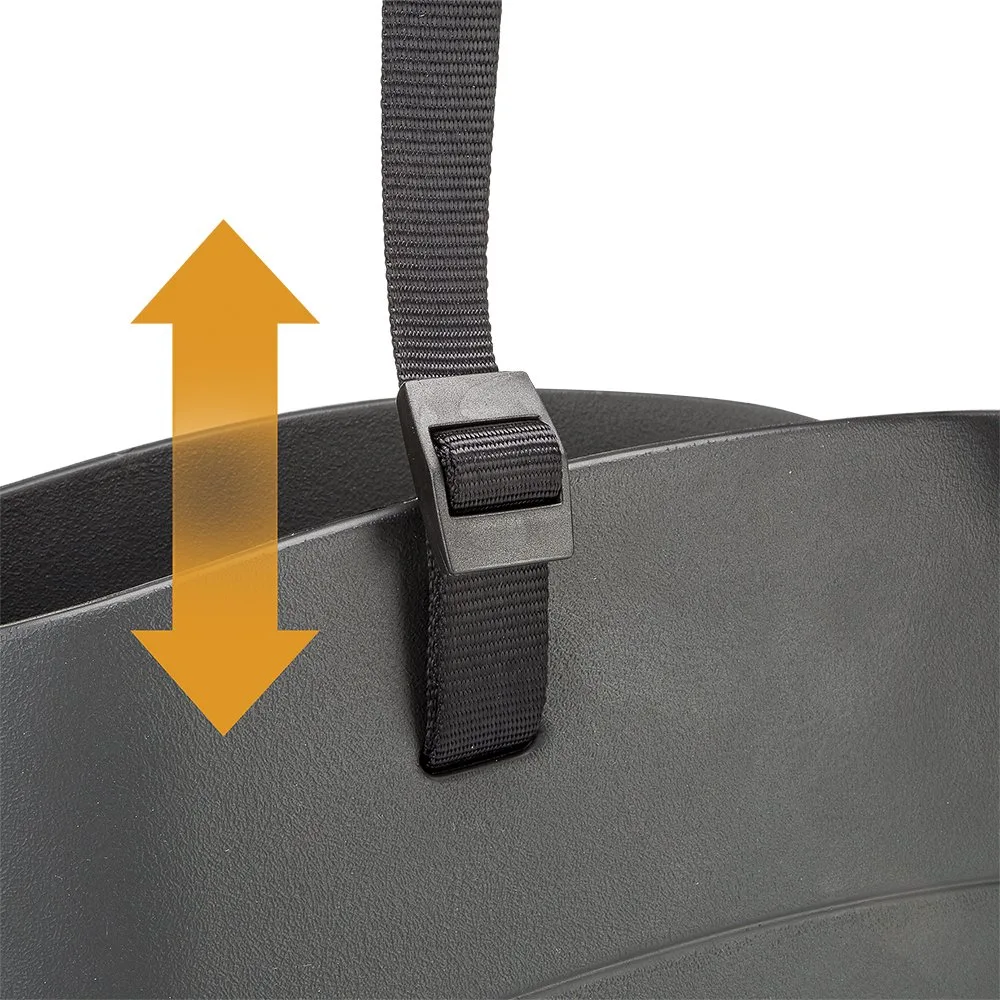
Void restraint prevents the rest. Rigid or semi-rigid contents that can move generate their own momentum in a drop, and free space converts that momentum into closure damage. Moulded pulp trays or corrugated partitions typically add USD 0.15-0.40 per carton and remove the majority of this failure mode.
Absorbents are then placed rather than simply counted. Pads belong beneath every tray of liquid units, and a second pad belongs at the carton base if any textile item shares the box, since gravity moves released liquid downward regardless of where it started.
Finally, carton weight stays within normal handling limits, capped at 15-18 kilograms, and each carton is numbered with its lot reference so the containment plan and the traceability plan describe the same physical boxes. A recall that cannot name cartons is not a recall, it is a press release.
Tape deserves specific mention because it is a small cost with a large consequence. Closures relying on a single strip of commodity tape at the base fail under oil contamination far sooner than the board around them fails, so we specify a reinforced or cross-weave tape at base seams on any carton carrying liquid units, and we reject the practice of taping over a stained panel rather than replacing the carton.
Lane Temperature and Why Warm Is the Problem Here
Unlike refrigerated categories, the issue with an oil lane is heat rather than cold, and it produces two distinct mechanical effects worth planning around.
Viscosity falls as temperature rises, which directly increases migration through closure threads. A unit that holds perfectly in a temperate warehouse can begin showing seepage in a container sitting at tropical port temperatures for several days, and the effect is roughly exponential rather than linear, so a modest temperature increase can produce a disproportionate seepage increase.
Internal pressure rises too. Headspace gas expands, physical expansion of the contents adds further pressure, and the combined effect pushes against the closure with more force than it ever sees in a warehouse test. This is why our leak check includes a thermal conditioning step rather than a single room-temperature test.
Recording matters for both reasons. A calibrated logger per reference carton, recording at 15-minute intervals, produces the curve that settles any later argument about storage. Where the buyer lane historically exceeds the warm end of their declared range regularly, a structural change such as a tighter closure torque window or an upgrade to a foil-based primary format is the honest recommendation, though the second belongs to the buyer primary supplier.
Two air freight considerations apply when speed is needed. Liquid-carrying cartons may need to meet carrier leakproof packaging expectations, and any return air transport is governed regardless of contents, so we recommend checking published expectations maintained by the International Air Transport Association before booking.
Inspection Plan and Recall Execution
Inspection for this class of goods is designed around one reality: leak testing is destructive or at least disruptive, so statistical methods matter more than usual.
The plan therefore combines three elements. A visual check of every carton at pack-off for any trace of staining; a pressurised leak check on an agreed sample rate per production run rather than a single check per batch; and a seal peel test recorded against the agreed window at each shift start. Together these cover random and systematic failure modes without inspecting everything into unopenability.
Acceptance follows ISO 2859 general inspection level II with AQL 2.5 for major defects. Here those include any sign of seepage, any closure below the minimum removal torque after transport simulation, any missing pad or tray, and any carton without an upright marking where specified. Minor classes cover print variation within the signed window and light cosmetic creasing outside print areas.
Recall execution then follows the structured path already used across the accessory line, and it rests on the carton map, the lot register and retains held for three years. Two routines make it fast. Picking records show which carton numbers received which run, and the sequential carton numbering printed on two faces means isolation can be done by number rather than by opening stock. Retained units from every batch are held for three years, which allows the actual failed component rather than a photograph of it to be examined.
Documentation closes each shipment: material declarations, restriction statements against the ECHA candidate list, the leak and peel records, the inspection report referencing AQL 2.5, and any logger trace. Nothing ships with a pending document, which keeps our file and the physical goods describing the same reality.
Why brands source here
- Pet carrier programs run since 2014; founding team in sewn goods since 2004
- SGS-verified production floor of 4,950 m² with 137 workers across 7 lines
- Monthly capacity of 200,000 units, audited to BSCI and ISO 9001
People Also Ask
Why does oil need different packaging from dry units?
Because it migrates through closure threads, permanently stains textile panels, leaves persistent odour through oxidation, and thins under lane heat. Those behaviours require containment, opacity and conditioned leak testing rather than the standard barrier approach used for dry contents.
How should absorbent capacity be sized?
Size the pad at 1.5 times total fill volume within any single containment boundary, and allow containment bag volume above 1.2 times the unit volume. Both figures carry headroom because pads lose capacity when saturated with anything other than water.
What leak test method is practical at receiving?
Pressurise a sealed empty pack to 0.2 bar and hold 30 seconds under water, looking for a continuous bubble stream rather than the short initial burst at seal entry. Training operators on that difference prevents false rejection, and a warm preconditioning step catches failures that only appear hot.
Does a clear window matter for oxidation?
Yes. Light accelerates oxidation, so an amber, opaque white or aluminium-bearing structure outperforms clear film at equal barrier figures. Where contents must be visible, use a partial window with the rest opaque rather than a fully clear panel.
Can oil units share a carton with textile carriers?
Only behind four layers: primary containment, our sealed inner bag, an absorbent pad beneath every tray, and physical separation into its own compartment. Wherever shipment size allows, the textile portion should carry on a separate pallet group entirely.
What wording is safe for a coat-topic component?
Only statements describing manufactured objects: composition, capacity, count, closure type, recycle symbols, origin and lot coding. Words such as shiny, smooth or glossy presuppose a bodily change and are read as claims, so they come out at pre-flight.
Are special board treatments needed?
Yes, because board soaked with oil loses much of its stacking strength. A grease-resistant treatment or a polyethylene liner keeps enough integrity for handling to complete, alongside void restraint so dense contents cannot move.
Frequently Asked Questions
What is the MOQ for oil-unit travel packaging?
MOQ is 500 pieces per colourway and print design for what we manufacture. Absorbent pads, trays and any bought-in containment bag carry separate supplier minimums, each quoted individually so landed cost can be compared honestly.
Do you fill or formulate the oil?
No. Composition, content figures and every statement of intended purpose belong to whoever markets the product. We build and test the containment, the tray, the printed matter and the export carton around the units supplied to us.
How long does sampling take?
Prototypes are delivered in 6-10 working days from signed drawings and colour references, including leak test results after thermal conditioning, peel recordings against the agreed seal window, and photographs of the packed configuration.
What is bulk production lead time?
Bulk runs 35-50 days after written sample approval and deposit. Where liners, trays or printed laminate are bought in, the programme trends toward the upper half of that window.
Which inspection level applies at release?
ISO 2859 general inspection level II with AQL 2.5 for major defects and AQL 4.0 for minor. Any sign of seepage, any closure below minimum removal torque after transport simulation, and any missing pad are major.
How do you handle a discovered leak at destination?
The lot map identifies every carton from the same production run rather than only visibly affected ones, because migration through carton walls lags the event. Picking records then show which carton numbers received each run.
Which chemical declarations accompany the components?
Material composition declarations plus restriction statements against the candidate list maintained by the European Chemicals Agency, with California screening against the list published by the Office of Environmental Health Hazard Assessment where that destination applies.
Do you monitor lane temperature?
Yes. A calibrated logger recording at 15-minute intervals travels in a reference carton per container and the trace ships with the documents. Warm lanes are the problem for oil rather than cold ones, and the trace settles any later storage argument factually.
Is cold shipping needed?
Declared handling conditions come from the buyer own data, never from us. Our contribution is containments that survive heat plus a recorded lane condition, both of which feed whatever decision the buyer has already made.
Can air freight be used?
Yes, but leakproof packaging expectations apply to liquid-bearing cartons. We recommend checking published expectations maintained by the International Air Transport Association before booking, since they govern acceptance rather than advisability.
What marks should cartons carry?
Sequential carton numbers on two faces, upright orientation symbols where liquid units are present, and any lot reference the buyer protocol requires. Both are cheap at loading and decisive later.
What payment and delivery terms apply?
T/T 30 percent deposit and 70 percent before shipment, FOB Xiamen, with a full document set per shipment and no release while any document remains outstanding.
Talk to QUANZHOU JUNYUAN BAGS about a pet carrier program: MOQ 500 pieces per colourway, samples in 6-10 working days, bulk production in 35-50 days under AQL 2.5 inspection.
Get a free quote Request a sample