Cat Carrier Pet Photographer: Studio Props
12 camera angles should be approved before a cat carrier becomes a professional studio prop. Specify a 5-15 GU matte surface range, removable unbranded faceplates, quiet covered hardware, a 7.5 kg working load, and cleanable low-moiré textiles. Multi-cat shoots require independent staging spaces or a rigidly divided transport model, never an open shared enclosure created for the photograph.
A pet photographer needs a carrier to perform in three systems at once: safe animal transport, controlled studio staging, and high-resolution visual production. The product brief must connect lens distance, lighting type, set colour, audio capture, cleaning between clients, location vehicles, and sponsor placement to measurable surface, closure, structural, and artwork requirements. A compact low-sheen shell with concealed pull garages, removable faceplates, reversible neutral panels, a flat floor cassette, and protected mesh reduces retouching without weakening containment. For influencer or brand shoots, artwork changes through controlled external panels rather than permanent graphics over ventilation. Programs begin at MOQ 500 pieces per colourway. Samples are produced in 6-10 working days for camera, sound, cleaning, load, and location trials. After the physical colour standard, final construction, shot matrix, and inspection plan are approved, schedule bulk production 35-50 days. Final random inspection applies AQL 2.5 to major workmanship and appearance characteristics, while insecure exits, sharp parts, failed load paths, and wrong safety labels receive stricter handling. The result is a production prop whose visual consistency is supported by transport-grade engineering, not achieved by concealing functional defects from the camera.
A pet carrier manufacturer is judged on three numbers in this category - MOQ per colourway, sample turnaround and the AQL level applied at final inspection. Ours are 500 pieces, 6-10 working days and AQL 2.5.
Translate the shot list into measurable product surfaces
Start with the photographer's intended frames, not a generic mood board. List wide environmental portraits, three-quarter carrier views, door-entry sequences, overhead details, macro material shots, video movement, and client handover images. For each shot, record camera height, typical lens, subject distance, lighting direction, background tone, and which panels remain visible. A carrier that looks matte from the front can produce a hard specular line at a grazing side angle.
Create a twelve-angle approval matrix: four horizontal orientations at animal-eye level, four elevated three-quarter views, two overhead frames, one direct-flash detail, and one backlit mesh shot. Photograph the same physical prototype with doors closed, fully parked, and in the authorized supervised staging position. Inspect highlights, panel bowing, seam waviness, zipper exposure, logo obstruction, and mesh moiré at the actual delivery resolution.
Specify a target surface range rather than the word matte. A project may use 5-15 gloss units at 60 degrees on solid panels, measured on flat coupons and compared with the assembled sample. Textile geometry can make readings variable, so retain signed physical standards and controlled reference photographs. Define acceptable differences separately for body fabric, binding, webbing, zipper tape, and removable faceplate; forcing every material into one identical reading can compromise function.
Record the studio's colour pipeline, including light sources, white-balance practice, and reference card. Physical approval should occur under those conditions plus daylight and direct phone flash. A camera-ready carrier begins with a reproducible shot matrix and physical surface standards, not adjectives such as premium, soft, or photogenic.
The visual specification must remain subordinate to animal safety. Retouching plans cannot justify removing mesh, disabling a closure, or placing unretained panels inside the chamber. Any alternate “hero” configuration should be listed as either occupied transport, directly supervised stationary staging, or empty product photography. Those categories determine which doors, covers, and detachable elements may be used.
Separate client deliverables from the master approval archive. Social crops, colour grading, and retouching may intentionally change how the carrier looks, so they cannot serve as production references. Store one neutral processed image set, one camera-original set, exposure and lens metadata, and notes identifying the physical sample. When a brand requests a new campaign look, create a new faceplate record without changing the shell standard by implication. This documentation keeps creative output flexible while preserving a stable manufacturing target.
Select low-moiré textiles and controlled colour families
Fine repetitive weaves can interfere with digital sensors, producing moiré that changes with camera distance and output size. Screen 600D and finer-denier polyester candidates using the studio's common cameras, lenses, and export resolutions. Rotate swatches and curve them over the proposed panel shape. A fabric that looks smooth by eye may create patterning in 4K video or a resized social post. Select weave scale from camera tests while retaining required abrasion and coating performance.
Use solution-dyed or consistently piece-dyed polyester with a low-lustre qualified backing. Neutral shell options such as warm grey, slate blue, and muted clay should be evaluated against common fur colours and seamless-paper backgrounds. A mid-tone shell can retain edge detail around black cats and avoid clipping highlights around white cats. Offer colourways only when each meets MOQ and physical shade approval; do not promise exact screen-colour reproduction.
Set a colour-difference process using a master swatch and an agreed instrument or visual method. If instrumental measurement is used, define illuminant, observer, aperture, number of readings, and a project tolerance such as Delta E 2000 no greater than the approved limit. The number itself must match what the photographer can see in complete bags under the production lighting. Webbing and mesh may need wider but bounded standards because their constructions differ.
Test dry and wet rub, disinfectant exposure, heat-transfer contamination, and colour migration onto white studio fabric. Physical and chemical requirements can be supported by relevant textile certification scopes; buyers can consult OEKO-TEX information. Photographic colour consistency comes from controlled substrates, lighting, measurement, and assembled-bag review rather than a digital Pantone reference alone.
Keep a calibrated reference capture of the approved sample with a colour target in frame, but retain the actual swatch as the primary production standard. Camera profiles, compression, and display settings can change over time. A repeat order should compare both physical and captured evidence, documenting whether a difference originates in material, lighting, or image processing before changing the specification.
Hide hardware from the frame without weakening closures
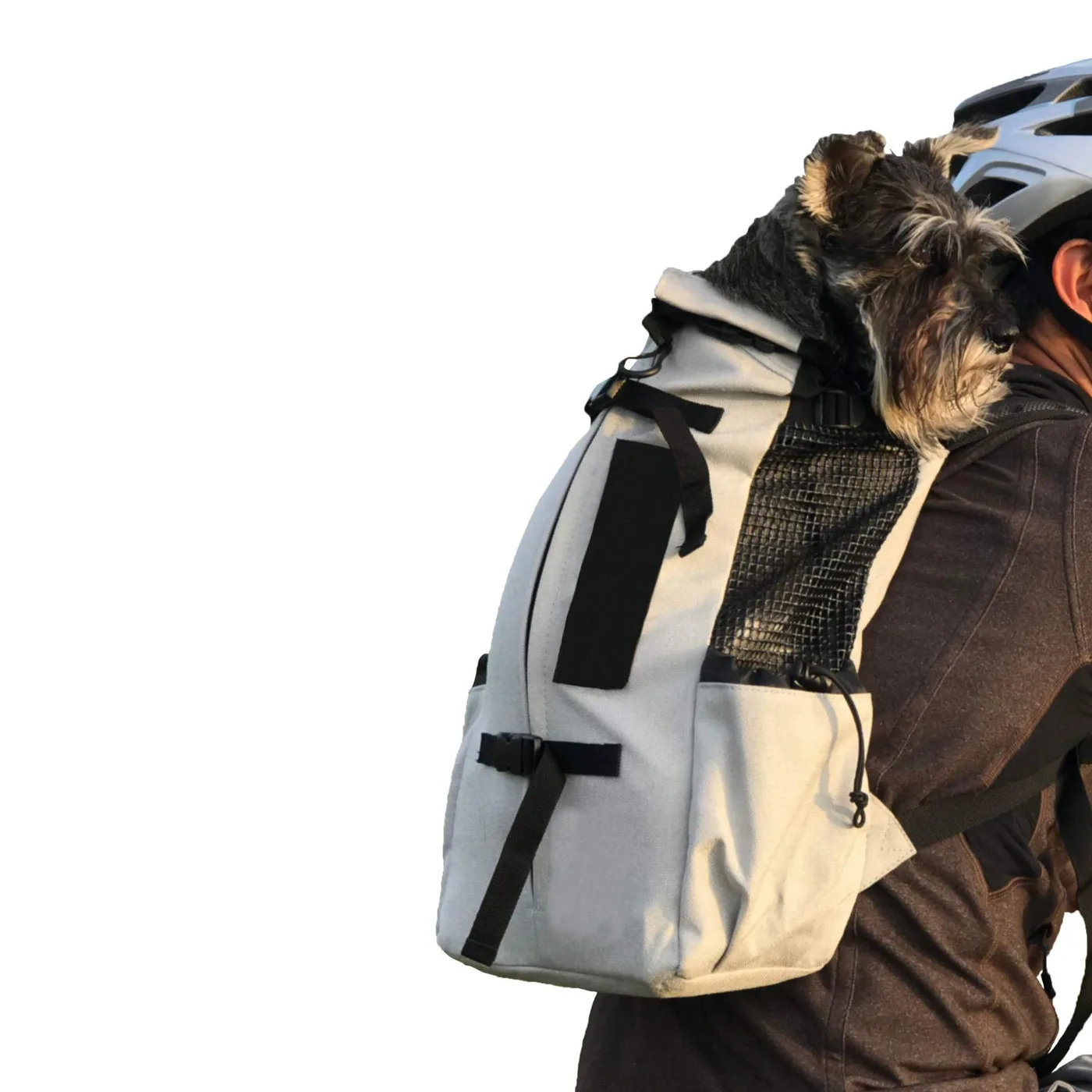
Photography often benefits from clean panel lines, yet every animal opening needs a secure, inspectable closure. Use twin sliders that park inside a shaped external garage, with short fabric-covered pulls and a positive clip. The garage may conceal hardware from three-quarter views but must open fully for a tactile transport check. Avoid magnetic-only doors, decorative ties, or internal clips that can release or snag.
A full end door supports entry sequences, and a limited top hatch provides a second supervised angle. Both doors should roll or fold outward into retained pockets so loose panels do not fall into the frame or chamber. The retaining system must survive repeated cleaning and 5,000 operations. A photographer should convert from an open staging view to secure transport state without removing structural parts or searching for a loose fastener.
Measure operating sound for video work. At a fixed microphone position, record zipper movement, pull contact, clip engagement, floor shifts, and door parking. Textile pull covers and isolated board edges can reduce sharp impulses, but the closed-state click may remain intentionally detectable. Specify a comparison to the approved sample, not a universal “silent” claim. Sound treatment must not make damaged hardware harder to identify.
Use seam placement strategically. Move major panel joins toward natural visual breaks and keep reinforcement beneath solid facings, but never thin a load junction merely to reduce retouching. Mark critical seams in the inspection image set so photographers and quality staff can see normal construction. Studio-clean hardware is externally concealed yet mechanically complete, accessible, and verifiable before every occupied shot or journey for each campaign.
Run hardware-visibility checks after the carrier is loaded, because sidewall tension and base sag can pull garages open or expose zipper tape. Photograph all approved angles with centred and off-centre ballast. If concealment fails only under realistic load, the pattern or garage geometry requires revision; post-production masking is not a manufacturing solution.
Separate animal staging from multi-cat composition
A studio may photograph several cats for one household or influencer campaign, but animals should wait in independent identified carriers unless the photographer's qualified handling plan approves otherwise. Create numbered floor marks for staging units, preserve mesh clearance, and orient visual covers to reduce direct sightlines. Occupied carriers are never stacked behind the set. Each unit retains its own client card, closure check, and CLEAN status.
For assessed same-household transport, an optional rigidly divided model can use a 7 kg combined limit and 4 kg per bay. The centre panel keys into a dual-board floor and locks at covered upper points. Each bay has its own door, label, ventilation, and removable neutral cover. The divider is a transport and waiting control, not a way to pose two cats within a small enclosed volume for camera convenience.
| Studio use | Permitted configuration | Visual control | Safety verification |
|---|---|---|---|
| Single-cat portrait | One 7.5 kg-rated chamber | Selected faceplate and parked door | Pre-shot closure/state check |
| Multi-cat session | Independent staging carriers | Numbered positions and covers | Identity and spacing audit |
| Same-family transport | Rigid two-bay model, 7 kg combined | Separate neutral end panels | Divider and unequal-load test |
| Empty product shot | Unoccupied display configuration | All approved detachable panels | Clearly recorded EMPTY state |
| Location vehicle | Closed transport configuration | Brand panel away from belt | Restraint-route check |
Run a multi-cat production drill using inert forms and staff role-play before a live session. Stage, identify, move to set, return, and clean several carriers while a shooting clock runs. Record wrong-unit approaches, loose covers, blocked labels, and door-state errors. Multi-cat photography scales through independent controlled staging and planned composition, not by weakening separation to fit more animals into one frame.
Set reset must be a defined operation. After one cat returns to its identified carrier, assistants remove loose fur from the set, replace contact textiles, confirm the next carrier code, and verify that the new door state matches the shot plan. The camera remains paused until the identity and closure check is complete. Mark clean and used prop panels in separate lidded bins. This sequence reduces pressure to leave several carriers open simultaneously and prevents a sponsor faceplate or visual cover from migrating to the wrong client's equipment.
Engineer fast cleaning without changing optical character
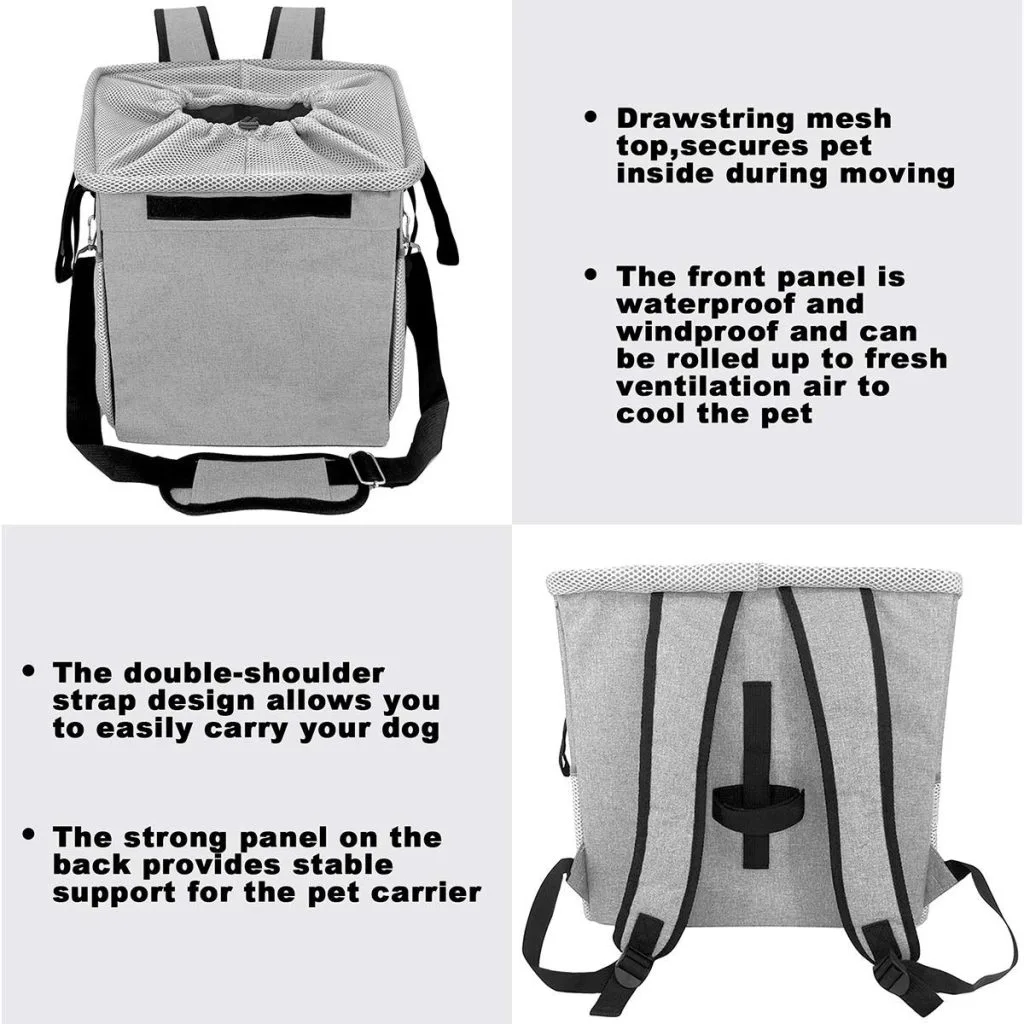
Studio carriers collect fur, reward crumbs, saliva, makeup dust, floor debris, and disinfectant residue. Use a smooth 300D coated lining, 600D low-lustre outer shell, recessed mesh, polyester webbing, and a removable low-lint floor cover around a closed-cell layer. Avoid deep pile, exposed hook fields, and rough decorative binding where hair becomes visible in macro shots. A light interior reveals soil, while the selected neutral exterior controls image contrast.
List the studio's detergent, disinfectant, lint-removal tool, and any approved spot cleaner. Run 200 complete cleaning cycles and 100 dry lint-removal cycles. At intervals, photograph the same twelve-angle matrix under fixed settings, measure or grade gloss and colour, and inspect coating, seam wicking, zipper force, badge adhesion, and odour. A surface that remains structurally intact but becomes patchy under light may be unacceptable for studio use.
Reward-oil tests should use the actual treats present on set. Apply a controlled mass, wait the maximum realistic interval, clean, and evaluate stain and sheen from grazing light. Removable floor covers can be laundered separately after shrinkage and colour-transfer qualification. Keep multiple coded covers in rotation rather than applying aggressive chemicals between sessions. Boards, stays, and hardware follow their validated wipe procedure.
Drying is part of optical consistency because residual water spots and uneven moisture alter apparent colour. Use a rack orientation that exposes binding and faceplate fields without stretching mesh. Establish a dry-release threshold through timed mass measurements and inspection under key light. A photography prop is clean only when residue, moisture, odour, colour, and surface gloss have all returned within the approved visual and functional standard.
Do not use ad hoc fabric protector, silicone spray, or anti-static coating during a shoot. Such treatments can change gloss, attract dust, transfer to animals or sets, and alter chemical compliance. If static control is required, define and test a specific treatment on the complete material system, including cleanability and camera appearance, before adding it to the approved process.
Build modular branding for campaigns and creator content
Pet photographers may serve brands, shelters, private clients, and pet influencers within the same week. Permanent oversized logos would force retouching and limit the prop's value. Create a defined 140 x 80 mm faceplate on each solid side, plus a smaller end plate. The attachment remains smooth when covered by a neutral blank. Every plate stays outside ventilation, load seams, doors, and animal contact surfaces.
Offer controlled faceplate processes: woven label for texture, low-gloss heat transfer for fine type, or printed coated polyester for short campaigns. Each method needs its own colour, gloss, edge-fray, peel, flex, and sanitation approval. Dense embroidery should remain on removable plates rather than perforating coated shell panels. Metallic foil and high-glitter finishes require explicit camera and cleaning tests and are generally unsuitable around close animal work.
Define a safe artwork area and keep-out zones in the dieline. Sponsor designers should not enlarge marks across attachment edges or place important type beneath handle and belt paths. Photograph every faceplate with the loaded carrier in the twelve-angle matrix. Check legibility at social crop sizes, highlight clipping, moiré, and the difference between human-eye and camera colour.
Use revision codes on the hidden rear of each faceplate and a corresponding campaign pack label. This prevents a set assistant from mixing near-identical sponsor versions. Store plates flat in lint-free sleeves and inspect attachments before occupied use. Campaign-ready branding comes from replaceable, revision-controlled faceplates whose optical and physical performance is tested independently from the carrier shell.
Influencer deliverables often require vertical and square crops as well as wide images. The safe mark area should remain readable after those crops without moving the plate between shots. Approve crop guides on reference photographs, but never reposition the badge onto mesh or a closure during production. This planning protects both visual consistency and the safety zoning established in the engineering drawing.
Control visual tolerances and structural sewing together
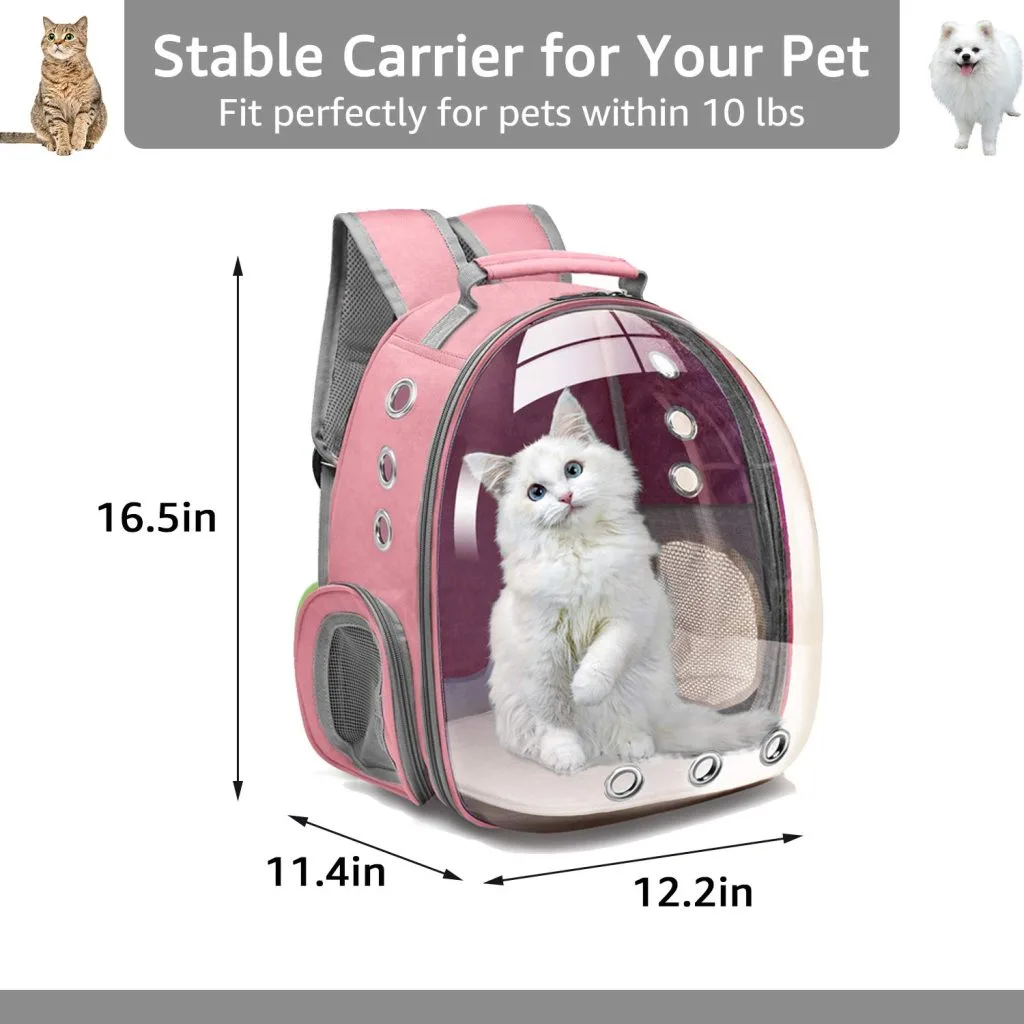
Photography exposes millimetre-level variation that ordinary handling might ignore. Define tolerances for faceplate skew, piping wave, handle symmetry, door diagonal, zipper-garage coverage, mesh direction, logo position, and panel bow. Tie measurements to stable seams on the erected, conditioned carrier. A folded-unit inspection cannot reveal how tension changes lines under working load.
Structural controls remain primary. A 25 mm polyester webbing cradle runs beneath the 4.5 mm floor board into handle and vehicle-restraint zones. Inspect the hidden path before lining closure. Reinforcement patches, seam allowance, stitch density, thread specification, and bartack geometry should be frozen in the tech pack. Conduct seam tests on actual coated material after cleaning exposure because perforation and film aging affect performance.
Shade and texture need roll-level control. Assign rolls to carton groups, maintain mesh orientation, and compare erected first-off units under a defined light. The production team should photograph front, side, and three-quarter views against a neutral target, but those records supplement rather than replace physical sample review. Scan faceplate revision and asset identity at pack-out.
Interior inspection uses directed light and a gloved sweep for needle fragments, raw edges, exposed board corners, or loose fasteners. Exterior camera inspection then uses the approved shot subset at a fixed distance. A studio carrier meets quality requirements only when structural sewing and camera-visible geometry pass on the same erected production sample.
The SGS-verified production base should retain material swatches, gloss and colour readings, a decorated golden sample, seam coupons, faceplate files, and lighting notes. Any substitute fabric, binding, zipper, coating, or ink triggers comparative review. A visual match alone cannot confirm equivalent abrasion, cleaning, noise, or load performance.
Faceplate geometry should use a dedicated gauge for outer size, attachment-field position, artwork safe area, and maximum edge curl. Inspect the plate installed on an erected shell because hook tension or panel curvature can change apparent skew. A printed alignment grid on a transparent overlay helps inspectors compare campaign versions without relying on visual judgement alone. Reject plates that expose attachment material, lift into a door path, or bow enough to cast an unapproved shadow under side light, even if the artwork itself is correctly printed.
Verify load, optics, sound, transport, and repeat shooting
For the 7.5 kg working load, hold 11.25 kg for one hour by the joined handles, then run 1,200 loaded lifts and 750 location-vehicle placements. Measure webbing movement, base deflection, panel bow, door diagonal, and garage coverage. Repeat selected camera angles under centred and off-centre ballast. A structural change that appears only under load must be included in the visual defect standard.
Cycle full doors 4,000 times, door-retaining pockets 5,000 times, and top hatches 2,500 times. Measure operating force and sound at new, midpoint, and aged conditions. Add synthetic fur and treat residue according to the studio cycle, then clean before the next measurement. Test pull-cover retention, clip function, and outward resistance at the closed slider junction. Partial supervised openings are never accepted as transport states.
Run 200 wet-clean and 100 dry-lint cycles, photographing the twelve-angle matrix every fifty cycles. Record 60-degree gloss where appropriate, colour difference, patch peel, seam visibility, and moiré at target resolutions. Relevant material and surface test methods may be sourced through ASTM International, with equipment, conditioning, and deviations documented in the project plan.
Vehicle loops receive repeated belt routing and a controlled braking-and-turning evaluation in representative seats. This checks routine securement and visual-panel clearance, not crash survival. Confirm that faceplates do not cover belt paths and that stored door panels cannot shake loose. For air-travel location work, consult the relevant airline and the FAA guidance on flying with pets; studio qualification alone does not establish airline acceptance.
Final inspection at AQL 2.5 covers major workmanship and agreed visual defects using physical limit samples. Unsafe exits, open load seams, sharp components, wrong labels, or blocked mesh require stricter action. A professional studio carrier is validated when endurance-aged production samples remain structurally secure and visually consistent across the approved cameras, lights, angles, cleaning cycles, and transport configuration.
Add a controlled abrasion series to visual qualification. Rub the solid side panel, binding, webbing, and faceplate with the project-selected method, clean away loose fibres, then repeat macro, side-lit, and moving-video captures. Examine pilling, whitening, texture flicker, edge fray, and changes in autofocus behaviour. The acceptable endpoint should reflect realistic studio use rather than demanding an untouched surface after severe wear. Record both the numerical cycle and the visual limit sample so inspectors can judge production and field-service condition consistently.
Order and quality terms
- MOQ 500 pieces per colourway; samples in 6-10 working days
- Bulk production 35-50 days after approval; AQL 2.5 inspection standard
- T/T 30/70 terms, FOB Xiamen, full document set per shipment
People Also Ask
What makes a cat carrier suitable as a studio prop?
It needs transport-grade structure plus measurable matte surfaces, low-moiré textiles, quiet retained hardware, modular branding, and repeatable camera inspection.
How should pet photographers test carrier colours?
Use physical swatches and completed samples under the studio's lights, cameras, backgrounds, white balance, direct flash, and final export sizes.
Can a studio carrier use removable branding?
Yes. Place tested faceplates on defined solid-panel fields away from mesh, doors, load seams, belt paths, and animal contact.
How are studio carriers cleaned between clients?
Remove mats and faceplates, follow the approved detergent and disinfectant sequence, dry to the defined threshold, and inspect under key light before release.
How should multiple cats be staged for a photo session?
Use separate labelled carriers in spaced numbered positions with controlled visual covers and no occupied stacking; compose animals on set under the professional plan.
What visual defects matter on a photography carrier?
Control faceplate skew, piping wave, panel bow, mesh direction, seam visibility, shade, gloss, zipper exposure, and texture under the approved shot matrix.
How are camera-ready carriers tested after aging?
Repeat load, closure, sound, cleaning, gloss, colour, moiré, patch, vehicle, and twelve-angle photography checks on the same endurance-aged construction.
Frequently Asked Questions
What gloss level works for a photo-studio cat carrier?
This project proposes a 5-15 GU range at 60 degrees for suitable solid panels, supported by physical swatches and camera review because textile readings vary.
How is moiré checked on carrier fabric?
Photograph curved and flat swatches with the studio's common cameras, lenses, distances, video modes, and export resolutions before selecting the weave.
Can sponsor logos be changed between shoots?
Yes. Use revision-controlled removable faceplates with a smooth neutral blank cover, keeping all attachment fields outside animal contact and safety zones.
Can several cats wait in one open carrier?
No. Use independent identified staging carriers. A divided model is only for assessed same-household transport under lower limits and separate doors.
Are concealed zippers still easy to inspect?
They should be. A shaped garage hides hardware from camera angles but opens fully for tactile checks of sliders, stops, tape, and clips.
Can the carrier be called silent?
No universal silence claim is appropriate. Measure operating sound under fixed conditions and control it relative to the approved production standard.
How are white and black cats photographed with one carrier colour?
A tested mid-tone matte neutral can retain edge detail for both, while lighting and background remain under the photographer's controlled workflow.
Can anti-static spray be used before a shoot?
Only a specifically approved treatment should be used. Uncontrolled sprays can change gloss, attract residue, transfer to sets, or affect chemical compliance.
What is the working load in this design?
The single chamber is proposed at 7.5 kg, supported by an 11.25 kg static proof and repeated-lift testing. Larger cats need a separate qualified size.
How are faceplates packed?
Store revision-coded plates flat in lint-free sleeves, separated by campaign and model, with neutral blanks and an attachment inspection checklist.
Does studio approval mean airline approval?
No. Airline policies, dimensions, route, and current rules must be checked separately for every trip.
What defects require immediate quarantine?
Insecure exits, open load seams, sharp parts, blocked ventilation, unstable floors, and irreparable contamination override cosmetic acceptance.
Talk to QUANZHOU JUNYUAN BAGS about a pet carrier program: MOQ 500 pieces per colourway, samples in 6-10 working days, bulk production in 35-50 days under AQL 2.5 inspection.
Get a free quote Request a sample