Cat Carrier Pet Sitter: Professional Gear
3 operating zones make a cat carrier suitable for professional pet sitters: a controlled animal compartment, a sealed clean-supply pocket, and an external used-item pocket. Add an 8 kg verified working load, low-sway shoulder geometry, disinfectant-tolerant contact surfaces, and discreet removable branding. The bag should support stairs, key handling, client-home hygiene, and repeated appointment routes.
Pet sitters work alone across changing residences, so carrier design must reduce hand conflicts and cross-contact without adding bulky features. The purchase specification should start with route length, stair count, public-transit exposure, keys and phone access, cleaning between clients, and the proportion of emergency veterinary transfers. A compact structured carrier with a cross-body stabilizer, protected top access, removable floor cassette, clean and used storage zones, and a flat vehicle-belt route can convert those tasks into repeatable handling. For approved bonded kittens, an optional rigidly tensioned divider may create two controlled cells; unrelated animals still require separate carriers. Commercial supply begins with MOQ 500 pieces per colourway. A size and function sample can be prepared in 6-10 working days for loaded route trials. After the signed sample, artwork, and inspection criteria are frozen, plan bulk production 35-50 days. Final random inspection uses AQL 2.5, with unsafe closure, exposed sharp parts, or failed load reinforcement classified outside ordinary cosmetic acceptance. The final gear should look calm at a client's door while retaining documented performance after repeated cleaning, stair movement, and transport.
Pet carrier OEM and ODM work on cat carrier platforms splits at the pattern - OEM builds to your drawing, ODM adapts an existing platform and removes the tooling cost.
Observe the sitter's route before selecting the silhouette
A pet sitter may unlock an apartment while holding a phone, remove shoes at the entrance, collect a nervous cat, descend four flights, enter a rideshare, and present records at a clinic. Traditional retail evaluation misses these transitions. Build a route map showing carry duration, stairs, door width, transit mode, equipment carried, and where the carrier can be set down. Time the moments when both hands are occupied. A shoulder configuration that feels comfortable for thirty seconds can rotate into furniture or block the sitter's keys after ten minutes.
Define two duty profiles. The daily service bag may remain empty most of the time and support an unexpected transfer, while a dedicated transport bag regularly carries an animal. For a shared professional program, qualify the same structure for 300 loaded routes, 1,500 floor set-downs, 2,500 closure operations, and 100 sanitation cycles. Record a maximum planned continuous carry, such as 25 minutes, because strap geometry and ventilation need to reflect the actual journey. Do not convert that value into a universal comfort promise; stairs, climate, animal movement, and user stature vary.
Map equipment without turning the animal compartment into storage. Keys, phone, paperwork, disposable gloves, waste bags, and a small clean towel need defined zones. Medication belongs in the sitter's separately controlled system unless the client's protocol says otherwise. A bellows pocket may appear convenient but can protrude into the cat's space when filled. Specify external pocket-volume limits and test with the exact contents used in the field.
During sample review, have sitters perform a scripted apartment-to-vehicle journey using inert moving weights. Measure setup time, one-hand door control, strap adjustment, sway on stairs, pocket access, and whether the carrier contacts walls. The correct professional silhouette is the one that removes hand conflicts across the full appointment route, not the one that shows the most pockets in a catalogue.
Balance a compact cat space with stable human carry geometry
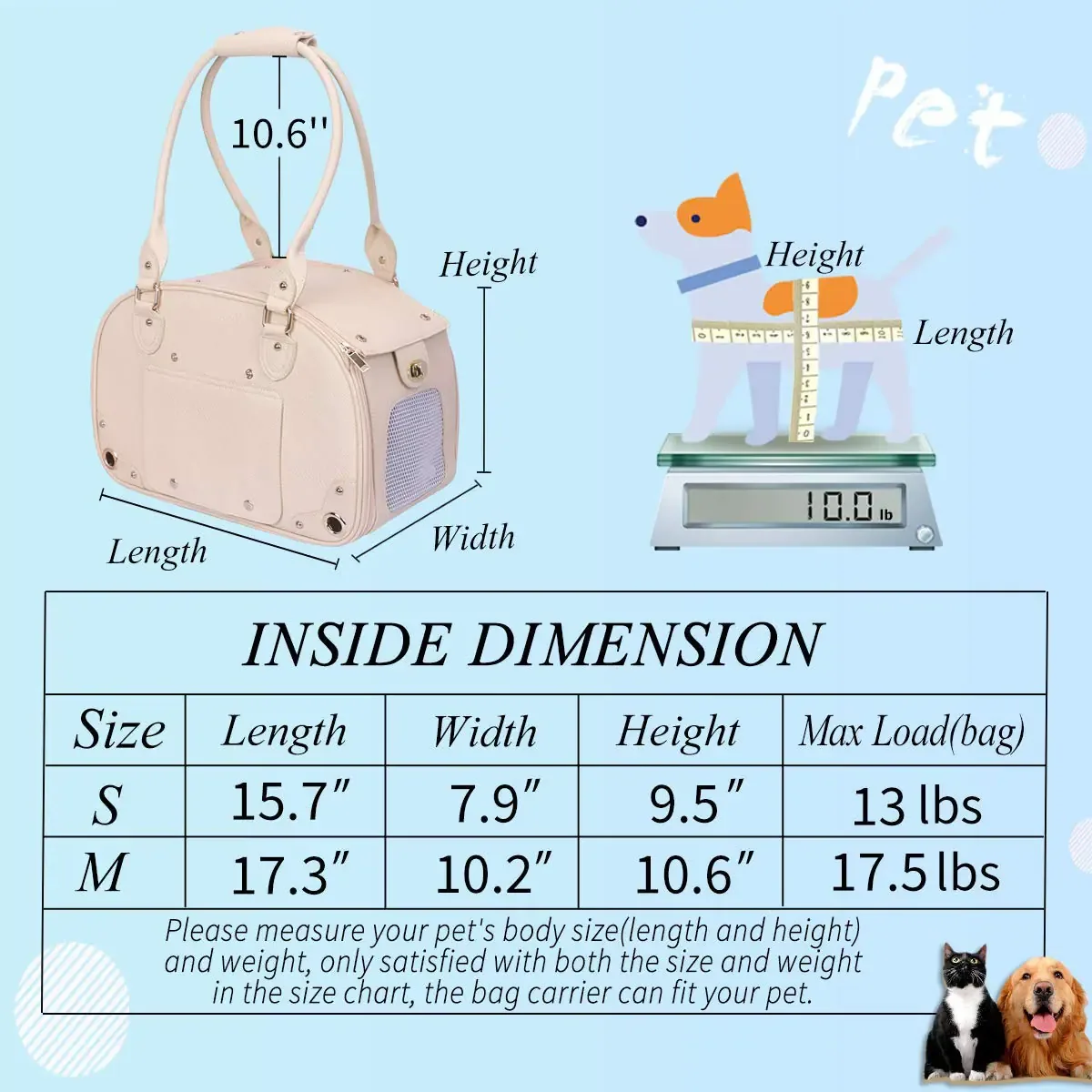
A practical starting envelope for this route is 44 x 30 x 32 cm with an 8 kg working load, subject to the service's cat-size data. The base should remain rectangular and close to the sitter's centreline. A high, outward-bulging roof increases usable volume but also increases sway and catches door frames. Use flexible perimeter stays to maintain headroom, with a slightly narrowed upper profile and a base that does not fold under an offset animal.
Continue 25 mm load webbing beneath a 4.5 mm polypropylene board and up both sides into the handles. The shoulder strap should connect at diagonal corners, not at the visual centre of each panel, so the loaded bag resists rolling. Add a short removable stabilizer that clips around the sitter's waist only for walking sections; it must release readily and store in a captured pocket. Shoulder padding should spread pressure without thick open-cell foam that absorbs cleaning solution. Verify adjustability on a defined user range wearing both light clothing and a winter coat.
Provide an end door for controlled loading and a limited top hatch for veterinary access. The hatch must remain small enough that the sitter can block it with one forearm while checking a collar. Twin pulls meet at a reinforced garage with a positive clip. Mesh belongs above the spill zone on three faces, protected by exterior rails. Interior seam bindings should be smooth and pale enough for visual inspection. A removable floor cassette combines board, closed-cell pad, and washable sleeve so the sitter does not handle loose layers at a client's home.
Fit trials should include a centred 8 kg load and a 6 kg shifting load, with stair ascent, descent, turn, door opening, and vehicle placement. Record base angle and carrier swing rather than relying only on wearer comments. Ergonomic pet-sitter gear keeps the animal load close, level, and predictable while preserving one hand for access and safety tasks.
Acoustic behaviour also affects handling in quiet apartment corridors. Rigid boards that click against hardware, metal pulls that strike each other, or hook tape that opens with a sharp sound can startle an already stressed cat and signal disruption to neighbours. During the loaded route, record impact noise at normal walking speed and while setting the bag down. Cover zipper pulls with short textile tabs, isolate the board inside its sleeve, and keep hard components from contacting one another. These changes should never soften a closure or conceal damage; they simply remove avoidable noise from the operating sequence.
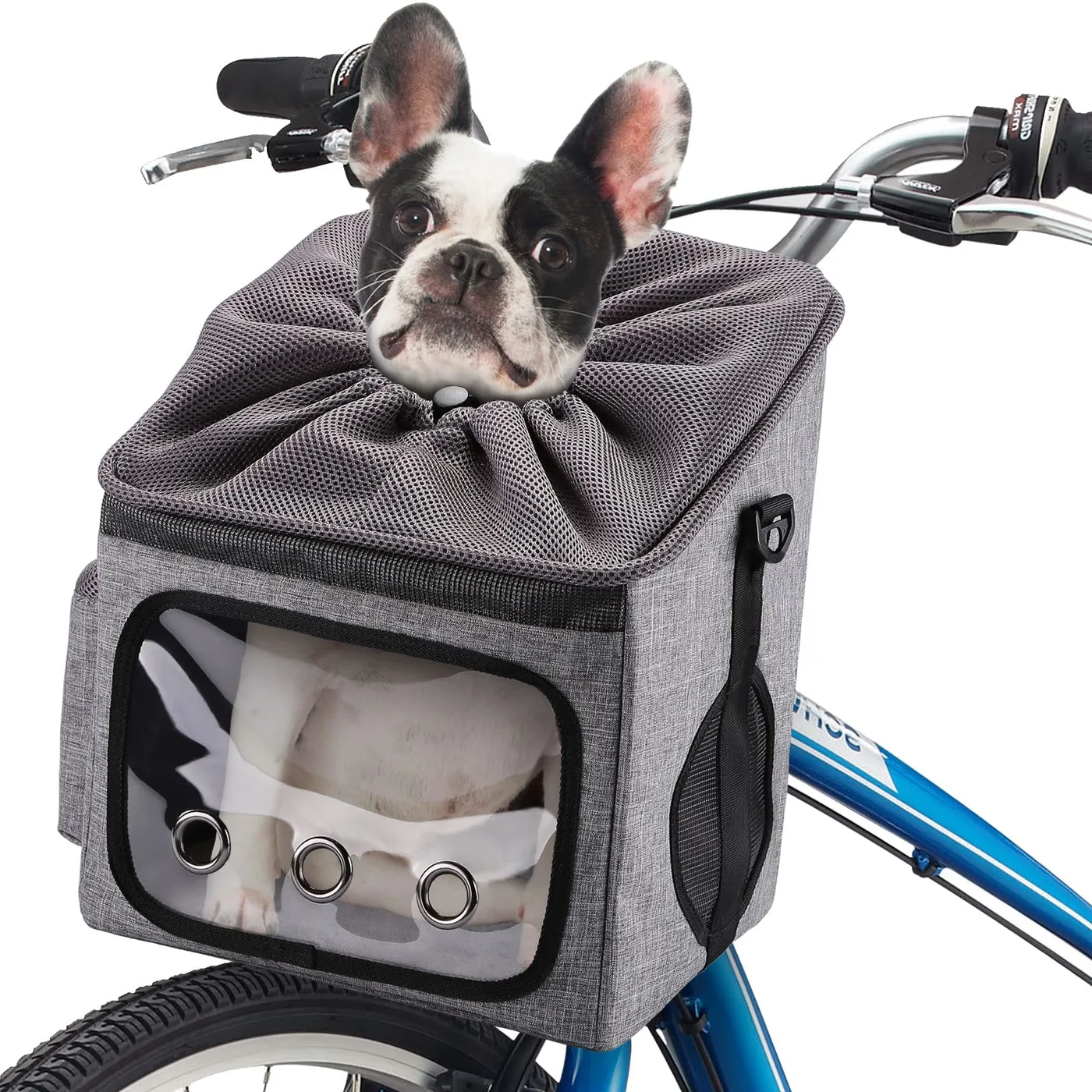
Separate animal, clean supplies, and used items
Professional hygiene begins with physical zoning. The main animal chamber must not share a zipper opening with gloves, client keys, cleaning wipes, or used liners. Place a shallow clean-supply pocket high on one exterior end with a wipeable lining and a gusset that expands outward. Put the used-item pocket on the opposite lower end, coloured and labelled distinctly, with a coated zipper and a removable washable pouch. The sitter can then remove the pouch at the end of a route without reaching through the animal area.
Prevent pocket loads from reducing ventilation or interior dimensions. In the tech pack, state usable pocket capacity and test it filled with the agreed kit. Mesh free area should be measured with pockets loaded, the shoulder strap stored, and vehicle belt routed. Avoid a bottle pocket beside an animal wall; a hard container can create a pressure point when the bag swings. A slim document sleeve can sit under the solid outer flap if it does not interfere with the base support.
Cross-client cleaning requires a clear sequence: remove and bag disposables, separate the floor cassette, wipe the chamber from cleanest to most soiled area, treat external touch points, dry fully, and restore the CLEAN status marker. The used-item pouch should not be considered a biological barrier unless its material and closure are tested for that claim. Instead, define it as organizational separation and require the sitter to follow their established infection-control procedure.
Choose a medium-light lining that reveals fur and residue, paired with a darker matte exterior that remains presentable after floor contact. Test seam wicking by applying a measured dyed solution inside the lower corner and observing the exterior after ten minutes. The result supports a defined resistance statement, not an absolute waterproof claim. Three visible storage zones reduce cross-contact only when their capacities, cleaning sequence, and separation boundaries are specified and verified with the sitter's real kit.
Handle approved multi-cat assignments with independent cells
Some sitters serve bonded kittens or a familiar pair from one household, but convenience must not override behavioural and medical judgement. The base model should be a single-cat carrier. An optional divider kit may be issued only under the service's written eligibility rule, with a lower combined working limit such as 7 kg and an individual bay limit such as 4 kg. Unfamiliar cats, ill animals, or cats with conflict history travel separately. Print these restrictions on the divider label, not only in a training file.
The divider needs semi-rigid perimeter battens and six covered attachment points so it cannot bow flat when one occupant leans against it. Each bay receives an independent end opening and measurable mesh area. The floor cassette should have a central anti-flex rib or dual boards within one retained sleeve, preventing both occupants from rolling into the lower centre. Dividing the volume does not double capacity; roof clearance and ventilation can become limiting before weight does.
| Configuration | Operational limit | Required controls | Verification |
|---|---|---|---|
| Single adult cat | Up to declared 8 kg working load | Full chamber, two-point closure | Offset carry and door cycling |
| Approved bonded kittens | 7 kg combined, 4 kg per bay | Tensioned divider, independent doors | Divider pressure and airflow check |
| Unfamiliar cats | Separate carriers only | No shared enclosure | Procedure audit |
| Cat plus supplies | Supplies outside chamber | Capacity-limited external zones | Filled-pocket fit trial |
During verification, load one compartment at a time to assess tilt, then both with shifting forms. Check whether opening one door affects the other closure. Remove and reinstall the divider 200 times, inspecting anchor covers and orientation marks. A pet sitter may use a divided carrier only when compatibility, individual space, independent access, and reduced combined limits are all controlled by procedure.
The dual assignment also changes route planning. Two cells leave less turning space, increase heat and moisture generation, and make visual checks more important. Define a shorter maximum transport duration for the divided configuration and require a direct route rather than adding ordinary visits. During the prototype trial, place temperature and humidity loggers in both empty test bays with safe simulated heat loads, while maintaining all mesh clearance. Compare the cells for imbalance and verify that a filled exterior pocket does not obstruct either airflow path. These data do not replace animal observation, but they expose asymmetry before a supervised field evaluation.
Choose finishes that survive cleaning and reassure clients
The carrier arrives inside private homes, so visual condition communicates professionalism before technical features are noticed. Select a tightly woven 600D solution-dyed polyester with low-lustre coating and a dark mineral, muted navy, or warm grey surface that conceals routine scuffs without hiding contamination. Use a smoother 300D coated lining for wipeability. Avoid high-gloss panels that reflect hallway lighting, show fingerprints, and appear harsh in client photographs.
Screen material coupons with the sitter service's normal disinfectant, an alcohol-based touch-point wipe, and plain detergent used for removable sleeves. Apply 30 cycles to selection swatches, then 100 cycles to the approved assembled sample. Evaluate colour transfer onto a white cloth, gloss shift, coating whitening at creases, label readability, zipper drag, and retained odour after standardized drying. The removable floor sleeve can be machine washed only if the construction and care label have been qualified through repeated laundering.
Branding should identify the professional without making a client's hallway look like an advertisement. Use a removable 90 x 45 mm matte patch on the upper solid panel and a small permanent service-asset label inside. Low-density embroidery can work on the patch, while a heat transfer offers fine type if edge adhesion survives cleaning. Keep reflective material to two narrow safety tabs on the ends; a large reflective logo can create glare in indoor photos and attract excessive attention on public transport.
Purchasers distributing in regulated markets should specify chemical restrictions for coatings, inks, plastics, and metal finishes. The OEKO-TEX organization offers textile certification context, but any requested certification must match the actual component scope and production lot. A client-ready finish is a measured combination of low glare, cleanability, colour stability, and restrained identity rather than a purely fashionable colour decision.
Control assembly at strap, pocket, and door interfaces
Pet-sitter bags concentrate stress where functional zones meet. The diagonal shoulder anchors pull across side panels; pocket openings interrupt panel stiffness; repeated one-hand access loads the top hatch; and the used-item pouch adds moisture exposure. The engineering pack should specify reinforcement geometry at every anchor, minimum pocket clearance from load seams, zipper chain and slider pairing, and stitch density on coated fabrics. Hidden webbing continuity must be inspected before the lining closes the shell.
Use cut templates to position diagonal anchors within a narrow tolerance. A 10 mm shift can change loaded balance and make the bag rotate. Sew pocket gussets outward and confirm that full pockets do not cross the internal dimension line. The top hatch zipper requires a stiffened frame and a smooth interior facing so a sitter can block the opening safely. Pull garages, clips, and loose webbing tails should remain outside the chamber. Bartacks must not terminate at the exact edge of a reinforcement patch, where stress can concentrate.
First-piece reviews should be performed for the floor cassette, shell, top hatch, shoulder assembly, and removable pouch. Check board removal force, pouch orientation, label accuracy, and strap adjustment range. Use go/no-go gauges for door opening and pocket depth, and a fixture for anchor position. Shade control matters because independent sitters may meet at an event with their bags side by side; assign fabric rolls by carton and compare erected units under controlled light.
The production team should retain signed material swatches, a decorated golden sample, seam test pieces, and records from inline load-point checks. An ISO 9001 process framework can help organize controlled specifications and corrective action; see the ISO quality management overview. Consistent professional handling begins with millimetre-level control of strap geometry, pocket intrusion, and closure alignment on the production line.
Test route fatigue, closures, hygiene, and vehicle placement
Qualification should reproduce a working day. Load the bag to 8 kg and run 600 stair-step cycles on an articulated fixture while measuring anchor movement, base angle, and strap slippage. Follow with 300 low-height set-downs onto resilient and hard surfaces, alternating the carrier's orientation. A human-factors trial can use trained participants across the declared adjustment range, but structural acceptance must rely on repeatable loads and measurements. Require the shoulder adjuster to retain at least 95 percent of its set length after the route cycle.
Apply a 12 kg static handle proof load for one hour and perform 1,000 dynamic lifts at working load. Cycle the end door 2,500 times and the smaller top hatch 1,500 times, including operations with a gloved hand. Test clip retention and ensure no lining enters the chain. Filled pockets undergo 500 opening cycles and a seam pull at their rated content mass. The floor cassette is removed, wiped, and reinstalled 200 times to reveal edge wear.
Use the approved cleaning sequence for 100 cycles, sampling both lower corners and high-touch strap hardware. Measure drying time in a controlled environment and check the CLEAN marker only after the acceptance moisture level is reached. Vehicle trials route a standard three-point belt through the flat reinforced path in representative seats, then assess carrier rotation under controlled braking simulation. This is securement evaluation, not an unsupported crash rating. General animal-transport welfare context is available from the American Veterinary Medical Association.
Final inspection at AQL 2.5 samples dimensions, assembly, labels, cleanliness, accessories, and packaging. The defect catalogue should elevate insecure exits, open anchors, exposed edges, and missing load warnings. Professional gear is qualified when a repeatable route test links user fatigue, structural endurance, cleaning recovery, and closure security to explicit pass criteria.
Rain exposure needs a bounded check because sitters may walk between a lobby and vehicle. Spray the upper and side surfaces for the agreed interval while keeping ventilation panels uncovered, then inspect water migration, coating marks, strap absorption, and drying. A stowable rain hood must never seal mesh or become a loose item inside the chamber; for most services, a water-resistant solid roof and quick route are safer than a full cover. State the test duration and observed resistance instead of calling the carrier weatherproof. Repeat key load and zipper checks after drying to reveal changes hidden during the initial spray.
Pilot with sitters and maintain a service-ready pool
Issue numbered samples to sitters whose routes differ: walk-up apartments, suburban driving, public transit, and multi-visit days. For one week, record route duration, stairs, carried load, pocket contents, cleaning method, setup exceptions, and any point where the sitter removes the shoulder strap. Do not ask only whether the bag is comfortable. Measure adjustment slippage, floor tilt after stairs, door operating time, contact marks, and drying time. Compare observations against the intended task map.
Use pilot data to freeze one standard configuration and a tightly controlled divider kit. Too many colourways or pocket options fragment the spare pool and invite misuse. Provide each bag with a short pre-route check: board seated, closures working, straps undamaged, pockets separated, status CLEAN, and vehicle route visible. The service manager should quarantine a carrier after contamination, open load seams, distorted frames, or damaged closure hardware. Cosmetic scuffs outside functional zones can remain acceptable under a written reference.
Set a maintenance interval by deployments. For example, conduct a documented deep inspection every 25 loaded routes, with a monthly check for bags that are carried empty as emergency equipment. Replace floor sleeves and pouches by controlled part number. Structural anchor repair should be handled by an approved repair channel and rechecked before release; an improvised stitch in a client's home is not a maintenance process.
Reordering should reflect route growth and serviceable inventory. If 15 percent of bags are routinely cleaning, loaned, or awaiting parts, that proportion cannot be counted as immediate emergency capacity. Forecast new sitter onboarding, seasonal demand, loss, and retirement against the production lead time. Preserve a golden sample, approved colour swatches, test records, and revision numbers. A pet-sitter carrier program stays professional when every deployed unit is complete, clean, traceable, and geometrically consistent with the trained handling routine.
Packing should support distributed teams. Place each erected-ready carrier, floor cassette, pouch, and instruction card in one counted set, then pack units so branch managers do not need to match loose parts from different cartons. Carton labels should show bag revision, colour, quantity, gross mass, and service-part compatibility. A deployment carton can include a checklist rather than a promotional insert. Before release to sitters, the manager scans or records asset identity, confirms strap adjustment range, and performs one complete closure circuit. This receipt gate catches transport damage and preserves responsibility without creating burdensome administration.
Production capability
- SGS-verified production space of 4,950 m², 149 machines, 7 assembly lines
- Pet carrier and pet bag output since 2014 from a 137-person team
- 200,000 units shipped monthly under BSCI and ISO 9001 systems
People Also Ask
What features should a professional pet sitter's cat carrier have?
Prioritize balanced hands-free carry, independent supply zones, controlled access, a removable floor cassette, clean-state marking, and a reinforced vehicle-belt route.
How often should a pet sitter disinfect a carrier?
Follow the service's cross-client protocol after any animal transport or contamination event, using the exact chemistry, contact time, rinse, and drying process validated for the bag.
Can pet sitters carry two cats in one carrier?
Only approved compatible small cats should use a qualified divider system within reduced individual and combined limits. Other cats travel in separate carriers.
What fabric looks professional in client homes?
A low-lustre, tightly woven coated polyester in a medium-dark neutral colour limits glare and routine scuff visibility while remaining inspectable.
How should a pet-sitter carrier be tested on stairs?
Use a loaded articulated cycle and record anchor movement, base angle, carrier sway, and strap slippage, then confirm usability across the declared adjustment range.
Where should a pet-sitter logo be placed?
Place a small removable matte patch on an upper solid panel where the hand, shoulder strap, and door do not cover it.
What is a reasonable maintenance schedule?
Inspect before every route and add a documented deep check after a defined number of loaded deployments, such as 25, based on pilot wear evidence.
Frequently Asked Questions
What working load suits a professional pet-sitter carrier?
The service should derive the load from its client-cat distribution. This example uses 8 kg, supported by complete-product static and cyclic tests rather than fabric strength alone.
Can the shoulder stabilizer stay attached?
It can remain attached if it stores in a captured pocket without creating a snag. The release, adjustment, and storage method should be included in route trials.
Should cleaning supplies go inside the cat chamber?
No. Clean supplies need a separate, capacity-controlled exterior zone, and used items need another removable zone away from the animal space.
Can a sitter carry medication in the carrier pocket?
Medication handling should follow the service's separate client and veterinary protocol. A carrier pocket should not silently become an uncontrolled medicine-storage system.
Is the removable floor sleeve machine washable?
Only if its textile, closure, print, and dimensions pass repeated laundering under the stated care procedure. The rigid board should normally be removed first.
How is shoulder-strap slippage checked?
Mark the adjusted length, run the loaded route cycle, and compare the retained setting. This specification proposes at least 95 percent length retention.
Can the bag have reflective branding?
Use narrow safety tabs if needed, but avoid large reflective marks that create indoor glare. Test their adhesion and appearance after cleaning.
How should a sitter inspect the zipper?
Check slider movement, pull attachment, end stops, lining clearance, and the positive clip before loading an animal.
What parts can be replaced in the field?
The approved floor sleeve, board, used-item pouch, status marker, shoulder strap, and divider kit may be replaceable. Load-bearing shell repairs require controlled review.
Does a vehicle belt route make the carrier crash tested?
No. It supports routine securement only unless the complete product passes a defined dynamic crash protocol and the resulting claim is properly scoped.
How many colourways should a sitter business order?
Use the fewest colourways needed for brand and status control. Every colour must meet MOQ and shade approval, so unnecessary variants complicate inventory.
When should a carrier be quarantined?
Quarantine it after contamination that cannot be removed, open structural stitching, closure failure, exposed edges, a warped base, or a missing safety label.
Talk to QUANZHOU JUNYUAN BAGS about a pet carrier program: MOQ 500 pieces per colourway, samples in 6-10 working days, bulk production in 35-50 days under AQL 2.5 inspection.
Get a free quote Request a sample